
Professional Roof Repair and Replacement Services in Brooklyn, New York
When your roof shows signs of damage or aging, deciding between roof repair and replacement can feel overwhelming. As Brooklyn's premier roofing contractor, Gre...
When your roof shows signs of damage or aging, deciding between roof repair and replacement can feel overwhelming. As Brooklyn's premier roofing contractor, Green Point Construction has helped thousands of homeowners navigate this critical decision. Whether you're dealing with a minor leak or considering a complete roof overhaul, understanding your options will save you time, money, and stress.
This comprehensive guide covers everything you need to know about roof repair and replacement services in Brooklyn, from identifying warning signs to understanding costs and choosing the right contractor. We'll help you make an informed decision that protects your investment and ensures your family's safety.
Understanding the Difference Between Roof Repair and Replacement
The fundamental difference between roof repair and replacement lies in the scope of work and the condition of your existing roofing system.
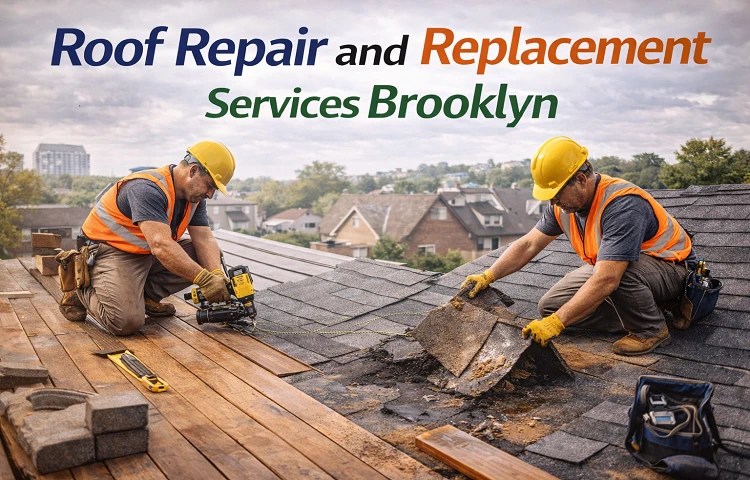
Roof repair involves fixing specific problem areas while keeping the majority of your existing roof intact. This approach works well for localized damage, minor leaks, or issues affecting less than 30% of your roof's surface area. Common repairs include replacing damaged shingles, sealing flashing, fixing gutters, or patching small holes.
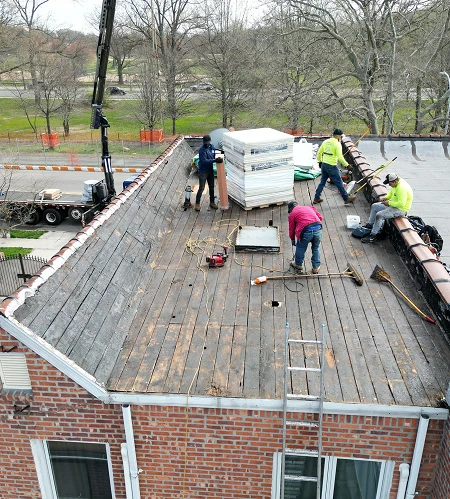
Roof replacement, on the other hand, involves removing your entire existing roof down to the decking and installing a completely new roofing system. This comprehensive approach becomes necessary when damage is extensive, your roof has reached the end of its useful life, or structural issues compromise the entire system.
Key Factors That Determine Repair vs. Replacement
Several critical factors influence whether repair or replacement is the right choice for your Brooklyn home:
Age of Your Roof: Asphalt shingle roofs typically last 20-30 years, while metal roofs can last 40-70 years. If your roof is nearing the end of its expected lifespan and experiencing problems, replacement often makes more financial sense than multiple repairs.
Extent of Damage: Damage covering more than 30% of your roof's surface area usually warrants replacement. Multiple problem areas indicate systemic issues that repairs alone cannot adequately address.
Structural Integrity: Sagging, water damage to decking, or compromised structural elements require replacement to ensure safety and prevent further deterioration.
Energy Efficiency: Older roofs often lack proper insulation and ventilation. Replacement allows you to upgrade to modern, energy-efficient materials that reduce heating and cooling costs.
When Roof Repair is the Right Choice
Roof repair represents the most cost-effective solution for addressing specific problems before they escalate into major issues. Understanding when repair is appropriate can save you thousands of dollars.
Ideal Scenarios for Roof Repair
Minor Leak Detection: Small leaks caught early typically require only targeted repairs. These might involve replacing a few damaged shingles, resealing flashing around chimneys or vents, or fixing small punctures in flat roofing membranes.
Storm Damage Assessment: After severe weather, you may discover isolated damage to specific roof sections. Hail damage, fallen branches, or wind-blown debris often create localized problems that respond well to professional repairs.
Maintenance-Related Issues: Regular wear and tear can cause problems like loose shingles, deteriorated caulking, or minor flashing issues. Addressing these promptly through repair prevents water infiltration and extends your roof's lifespan.
Budget Constraints: When immediate replacement isn't financially feasible, strategic repairs can buy you time to save for a full replacement while maintaining your roof's basic protective function.
Common Roof Repair Services
Shingle Replacement: Individual damaged, missing, or deteriorated shingles can be replaced without disturbing surrounding materials. This repair works well for storm damage or normal wear patterns.
Flashing Repair: Metal flashing around chimneys, vents, skylights, and roof transitions often develops leaks due to weather exposure. Professional repair involves removing old flashing, cleaning surfaces, and installing new waterproof barriers.
Gutter Maintenance: Damaged gutters, downspouts, or fascia boards can often be repaired rather than completely replaced. This includes realigning sections, replacing damaged brackets, or sealing joints.
Flat Roof Patching: Small punctures, tears, or blisters in flat roofing membranes can be effectively patched using compatible materials and professional techniques.
When Roof Replacement Becomes Necessary
Roof replacement represents a significant investment, but it's often the most economical long-term solution for extensive damage or aging roofing systems.
Clear Indicators for Complete Replacement
Multiple Leak Points: When your roof develops leaks in several locations, it indicates systemic failure. Attempting multiple repairs becomes more expensive than replacement while providing inferior protection.
Widespread Shingle Deterioration: Curling, cracking, or granule loss affecting large roof sections signals that your shingles have reached the end of their useful life. Patchwork repairs on extensively damaged areas provide only temporary solutions.
Structural Concerns: Sagging roof sections, damaged decking, or compromised support structures require complete replacement to ensure safety and building code compliance.
Energy Efficiency Upgrades: If your home experiences high energy costs due to poor roof insulation or ventilation, replacement allows you to install modern, energy-efficient roofing systems that pay for themselves over time.
Types of Roof Replacement Projects
Complete Tear-Off Replacement: This comprehensive approach involves removing all existing roofing materials down to the decking, inspecting and repairing structural elements, and installing an entirely new roofing system. While more expensive initially, it provides the longest lifespan and best performance.
Overlay Installation: In some cases, new roofing materials can be installed over existing systems. This approach costs less but may not address underlying problems and typically provides shorter lifespans than complete replacement.
Partial Replacement: When damage affects specific roof sections but the remainder remains sound, partial replacement can be an effective compromise. This approach works best when damage is clearly defined and doesn't indicate systemic issues.
Brooklyn-Specific Roofing Considerations
Brooklyn's unique climate, architecture, and building requirements create specific challenges that influence roofing decisions.
Climate Factors Affecting Brooklyn Roofs
Winter Weather Impact: Brooklyn's harsh winters, with freeze-thaw cycles, ice dam formation, and heavy snow loads, accelerate roof deterioration. These conditions make spring inspections crucial for identifying winter damage that requires prompt attention.
Summer Heat Stress: High temperatures and UV exposure during Brooklyn summers cause shingles to expand, contract, and gradually lose protective granules. This thermal cycling contributes to premature aging and requires consideration when choosing replacement materials.
Coastal Moisture Exposure: Brooklyn's proximity to water bodies creates higher humidity levels that can promote moss, algae, and rot in roofing materials. Proper ventilation and moisture-resistant materials become especially important.
Architectural Considerations
Brownstone and Historic Buildings: Many Brooklyn neighborhoods feature historic architecture with unique roofing requirements. Repair and replacement projects must consider historic preservation guidelines, specialized materials, and traditional installation methods.
Flat Roof Prevalence: Brooklyn's urban architecture includes many buildings with flat or low-slope roofs requiring specialized repair and replacement approaches. These systems demand different materials, installation techniques, and maintenance schedules compared to pitched roofs.
Building Code Compliance: Brooklyn's building codes specify requirements for roofing materials, installation methods, and safety features. Professional contractors ensure all work meets or exceeds these standards.
Cost Analysis: Repair vs. Replacement
Understanding the financial implications of roof repair versus replacement helps you make informed decisions that balance immediate costs with long-term value.
Roof Repair Cost Factors
Minor Repairs: Small repairs like replacing a few shingles or sealing minor leaks typically cost between $300-$800. These targeted fixes provide excellent value when addressing isolated problems promptly.
Moderate Repairs: More extensive repairs involving flashing replacement, gutter work, or multiple shingle sections generally range from $800-$2,500. These repairs make sense when damage is localized and your roof's overall condition remains good.
Major Repairs: Significant repair projects addressing large damaged areas or multiple systems can cost $2,500-$6,000. At this price point, comparing repair costs to replacement benefits becomes crucial.
Roof Replacement Investment
Complete Asphalt Shingle Replacement: Full replacement with quality asphalt shingles typically ranges from $12,000-$20,000 for average Brooklyn homes, depending on size, complexity, and material quality.
Premium Material Upgrades: Metal roofing, slate, or architectural shingles can cost $18,000-$35,000 but provide superior longevity, weather resistance, and energy efficiency that justifies the higher investment.
Flat Roof Replacement: Commercial-grade flat roofing systems for Brooklyn buildings typically cost $8-$15 per square foot, with total project costs varying based on roof size and system complexity.
Long-Term Financial Considerations
Return on Investment: Quality roof replacement typically recovers 60-70% of costs in increased home value, while also providing decades of protection and reduced maintenance expenses.
Energy Savings: Modern roofing systems with proper insulation and ventilation can reduce heating and cooling costs by 15-30%, providing ongoing savings that offset initial investment.
Insurance Benefits: New roofs often qualify for homeowners insurance discounts and may be required to maintain coverage in areas prone to severe weather.
Choosing the Right Roofing Materials
Material selection significantly impacts both repair effectiveness and replacement longevity. Brooklyn's climate and architectural requirements influence which options work best.
Asphalt Shingle Options
Three-Tab Shingles: The most economical option, three-tab shingles provide adequate protection for 15-20 years. They work well for budget-conscious repairs and replacements where longevity isn't the primary concern.
Architectural Shingles: These dimensional shingles offer superior weather resistance, longer warranties (25-30 years), and enhanced appearance. They represent the best balance of cost and performance for most Brooklyn homes.
Premium Shingles: High-end options like impact-resistant or designer shingles provide maximum durability and aesthetic appeal but cost significantly more than standard options.
Alternative Roofing Materials
Metal Roofing: Steel or aluminum roofing provides exceptional longevity (40-70 years), energy efficiency, and storm resistance. While initially expensive, metal roofing's lifespan makes it cost-effective over time.
Slate Roofing: Natural slate offers unmatched beauty and longevity (75-100+ years) but requires specialized installation and structural support. It's ideal for historic Brooklyn buildings and high-end applications.
Synthetic Materials: Modern synthetic shingles and tiles mimic natural materials while providing enhanced durability and weather resistance at more affordable prices.
Flat Roof Systems
EPDM Rubber: Single-ply EPDM membranes provide excellent waterproofing for flat roofs at moderate costs. They're easy to repair and offer good longevity with proper maintenance.
TPO Roofing: Thermoplastic polyolefin systems offer superior energy efficiency and chemical resistance. They cost more than EPDM but provide enhanced performance and longer warranties.
Modified Bitumen: Multi-layer systems using modified asphalt provide excellent durability and repairability. They work well for buildings requiring heavy foot traffic or equipment installation.
Signs Your Roof Needs Professional Attention
Recognizing early warning signs allows you to address problems before they escalate into major repairs or premature replacement needs.
Interior Warning Signs
Water Stains: Discoloration on ceilings or walls indicates active or recent leaks that require immediate attention. Even small stains can signal significant roof problems that worsen rapidly if ignored.
Mold or Mildew: Unusual moisture or musty odors suggest ongoing water infiltration that creates health hazards and structural damage. Professional inspection can identify leak sources and necessary repairs.
Increased Energy Bills: Rising heating or cooling costs may indicate poor roof insulation or air leaks that affect energy efficiency. Roof replacement with modern materials can restore proper thermal performance.
Exterior Visual Indicators
Missing or Damaged Shingles: Visible shingle problems like curling, cracking, or granule loss indicate aging or damage that requires professional evaluation to determine appropriate repairs or replacement needs.
Sagging Areas: Any visible sagging in roof lines indicates structural problems requiring immediate professional attention. These issues typically necessitate replacement rather than simple repairs.
Gutter Issues: Excessive granules in gutters, damaged fascia boards, or improperly functioning drainage systems often reflect broader roofing problems requiring professional assessment.
Age-Related Considerations
Approaching Lifespan Limits: Roofs nearing their expected lifespan require more frequent inspections and maintenance. Planning replacement before emergency situations arise saves money and prevents property damage.
Multiple Previous Repairs: Roofs requiring frequent repairs often benefit more from replacement than continued patchwork fixes. Professional evaluation can determine the most cost-effective approach.
The Professional Inspection Process
Professional roof inspections provide comprehensive assessments that guide repair versus replacement decisions based on objective conditions rather than assumptions.
Comprehensive Inspection Components
Structural Assessment: Professional inspectors evaluate roof decking, support structures, and load-bearing elements to identify safety concerns or structural deficiencies requiring replacement.
Material Condition Evaluation: Systematic examination of shingles, flashing, gutters, and other components determines remaining useful life and identifies specific repair needs.
Interior Inspection: Checking attic spaces, ceilings, and walls for water damage, insulation issues, or ventilation problems provides complete pictures of roof system performance.
Documentation and Reporting
Detailed Condition Reports: Professional inspections include written reports documenting all findings, recommended actions, and cost estimates for different repair or replacement options.
Photographic Evidence: High-quality photos of problem areas support insurance claims and help homeowners understand inspection findings and recommended solutions.
Prioritized Recommendations: Experienced inspectors prioritize issues by urgency and cost-effectiveness, helping homeowners plan appropriate responses within their budgets.
Green Point Construction's Approach to Roof Services
At Green Point Construction, we bring decades of Brooklyn roofing experience to every project, whether it involves targeted repairs or complete replacement.
Our Comprehensive Service Process
Initial Consultation: We begin every project with thorough inspections and honest assessments of your roof's condition. Our experienced team explains findings clearly and provides detailed recommendations based on your specific situation and budget.
Detailed Planning: For replacement projects, we develop comprehensive plans addressing materials selection, timeline coordination, weather considerations, and site preparation to ensure smooth project execution.
Quality Installation: Our certified installers use proven techniques and premium materials to deliver roofing systems that exceed industry standards for performance and longevity.
Specialized Brooklyn Expertise
Historic Building Experience: Our team understands the unique requirements of Brooklyn's historic architecture, including appropriate materials, installation methods, and preservation guidelines.
Flat Roof Specialists: We maintain expertise in all major flat roofing systems, from traditional built-up roofs to modern single-ply membranes and green roof installations.
Local Code Compliance: Our thorough knowledge of Brooklyn building codes ensures all work meets or exceeds requirements while avoiding delays or compliance issues.
Customer-Focused Service
Transparent Communication: We maintain open communication throughout every project, providing regular updates, addressing concerns promptly, and ensuring you understand all aspects of the work being performed.
Warranty Protection: All our work comes with comprehensive warranties covering both materials and installation, providing peace of mind and long-term value protection.
Emergency Services: When roof emergencies arise, we provide prompt response and temporary protection while developing permanent solutions that address both immediate needs and underlying problems.
Maintenance Strategies to Extend Roof Life
Proper maintenance significantly extends roof lifespan and reduces the likelihood of major repairs or premature replacement.
Seasonal Maintenance Requirements
Spring Inspections: Post-winter evaluations identify damage from ice, snow loads, and freeze-thaw cycles. Early detection allows for prompt repairs before minor problems escalate.
Summer Preparations: Pre-season maintenance includes cleaning gutters, trimming overhanging branches, and checking ventilation systems to handle increased heat and potential storm damage.
Fall Readiness: Preparing for winter involves final gutter cleaning, securing loose materials, and ensuring proper drainage to prevent ice dam formation.
Preventive Maintenance Activities
Regular Cleaning: Removing debris, moss, and algae prevents moisture retention and material degradation. Professional cleaning safely addresses problem areas without causing damage.
Prompt Repairs: Addressing minor issues immediately prevents them from developing into major problems requiring expensive repairs or affecting surrounding roof areas.
Professional Maintenance: Annual professional inspections and maintenance identify developing problems and ensure your roof continues performing optimally throughout its designed lifespan.
Insurance Considerations for Roof Work
Understanding insurance coverage helps you navigate claims processes and make informed decisions about repair versus replacement options.
Coverage Evaluation
Policy Review: Understanding your homeowners insurance coverage for roof damage helps determine out-of-pocket costs and influences repair versus replacement decisions.
Claim Documentation: Proper documentation of damage, including professional inspections and photographs, supports insurance claims and ensures appropriate compensation.
Contractor Coordination: Working with experienced contractors familiar with insurance processes ensures proper documentation and communication with adjusters throughout the claims process.
Maximizing Insurance Benefits
Timely Reporting: Prompt claim filing after discovering damage ensures compliance with policy requirements and prevents coverage disputes.
Professional Documentation: Insurance companies rely on professional assessments to determine coverage and compensation amounts. Quality documentation supports fair claim resolution.
Code Upgrade Coverage: Some policies include coverage for bringing repairs up to current building codes, which can significantly impact project costs and scope.
Environmental and Energy Efficiency Benefits
Modern roofing systems offer significant environmental and energy efficiency advantages that influence replacement decisions.
Energy Performance Improvements
Insulation Upgrades: Roof replacement allows for improved insulation installation, reducing energy consumption and creating more comfortable indoor environments year-round.
Reflective Materials: Light-colored or specially coated roofing materials reflect heat rather than absorbing it, reducing cooling costs and urban heat island effects.
Ventilation Enhancement: Proper roof ventilation systems installed during replacement improve energy efficiency and prevent moisture problems that damage roofing materials.
Environmental Considerations
Material Recycling: Many roofing materials can be recycled rather than sent to landfills. Professional contractors often coordinate recycling programs that reduce environmental impact.
Sustainable Options: Green roofing systems, solar panel integration, and sustainable materials provide environmental benefits while potentially qualifying for tax incentives or rebates.
Longevity Benefits: Durable roofing materials reduce replacement frequency, minimizing resource consumption and waste generation over the building's lifetime.
Common Roofing Problems in Brooklyn
Brooklyn's unique environment creates specific roofing challenges that influence repair and replacement decisions.
Weather-Related Issues
Ice Dam Formation: Brooklyn winters can create ice dams that force water under shingles and into buildings. Proper insulation and ventilation during replacement prevent these problems.
Storm Damage: Severe weather events can cause immediate damage requiring emergency repairs or complete replacement depending on the extent of destruction.
Thermal Cycling: Extreme temperature variations cause expansion and contraction that gradually weakens roofing materials and fasteners, accelerating normal aging processes.
Urban Environmental Factors
Air Quality Impact: Urban air pollution can accelerate material deterioration, particularly affecting organic materials and metal components. Selecting appropriate materials considers these environmental factors.
Foot Traffic Damage: Urban buildings often experience more foot traffic for maintenance activities, satellite installations, or HVAC work. This requires durable materials and proper access planning.
Neighboring Building Effects: Close building proximity in Brooklyn can create unique drainage, wind, and maintenance access challenges that influence material selection and installation methods.
Technology and Innovation in Modern Roofing
Advances in roofing technology provide new options for both repair and replacement projects that offer enhanced performance and value.
Advanced Materials
Impact-Resistant Shingles: Modern shingles engineered to withstand hail and debris impact provide superior protection in areas prone to severe weather while potentially qualifying for insurance discounts.
Cool Roof Technologies: Reflective materials and coatings reduce heat absorption, lowering cooling costs and extending material lifespan through reduced thermal stress.
Synthetic Alternatives: Engineered materials that mimic natural products offer enhanced durability, weather resistance, and lower maintenance requirements at competitive prices.
Installation Innovations
Advanced Fastening Systems: Modern fasteners and installation techniques provide superior wind resistance and longevity compared to traditional methods, especially important in urban environments.
Improved Weatherproofing: Enhanced underlayments, sealants, and flashing systems provide better moisture protection and extend system lifespan significantly.
Integrated Systems: Modern roofing systems integrate ventilation, insulation, and moisture barriers more effectively, providing comprehensive building envelope performance.
Planning Your Roofing Project
Successful roofing projects require careful planning that considers timing, logistics, and preparation requirements.
Project Timeline Considerations
Seasonal Planning: Brooklyn's weather patterns make spring through early fall the optimal time for roofing work. Planning projects during favorable weather ensures quality installation and minimizes weather-related delays.
Permit Requirements: Many roofing projects require building permits that take time to obtain. Starting the permit process early prevents project delays and ensures code compliance.
Material Lead Times: Quality roofing materials may require ordering in advance, especially for custom colors or specialty products. Early planning prevents installation delays due to material availability.
Site Preparation
Property Protection: Roofing work generates debris and requires equipment access. Proper preparation protects landscaping, vehicles, and adjacent properties from damage during construction.
Access Planning: Ensuring adequate access for workers and materials delivery is crucial for efficient project completion, especially in Brooklyn's dense urban environment.
Neighbor Coordination: Informing neighbors about project schedules and potential impacts maintains good relationships and prevents complaints during construction activities.
Quality Assurance and Warranties
Understanding quality standards and warranty protection helps you evaluate contractors and ensure long-term satisfaction with your roofing investment.
Installation Standards
Manufacturer Requirements: Proper installation following manufacturer specifications ensures warranty coverage and optimal performance. Experienced contractors understand and follow these critical requirements.
Building Code Compliance: All roofing work must meet or exceed local building codes for safety, performance, and legal compliance. Professional contractors ensure full compliance throughout the project.
Industry Best Practices: Quality contractors follow established industry practices that go beyond minimum requirements to ensure superior performance and longevity.
Warranty Protection
Material Warranties: Understanding manufacturer warranties on roofing materials helps you select products with appropriate coverage for your needs and budget.
Installation Warranties: Reputable contractors provide warranties on their installation work, protecting against defects and ensuring proper correction of any problems that arise.
Comprehensive Coverage: The best roofing projects include both material and installation warranties that provide complete protection for your investment.
Frequently Asked Questions
How do I know whether my roof needs repair or replacement?
The decision depends on several key factors: age of your roof, extent of damage, and cost-effectiveness. If your roof is over 20 years old or damage affects more than 30% of the surface area, replacement typically makes more sense. Multiple leak points, widespread shingle deterioration, or structural concerns also indicate replacement needs. A professional inspection provides the most accurate assessment.
What's the average cost difference between roof repair and replacement in Brooklyn?
Minor roof repairs typically cost $300-$800, while moderate repairs range from $800-$2,500. Complete roof replacement costs $12,000-$35,000 depending on materials and complexity. While replacement requires a larger upfront investment, it often provides better long-term value when extensive repairs would cost more than half the replacement price.
How long do different roofing materials last in Brooklyn's climate?
Asphalt shingles typically last 20-30 years, architectural shingles 25-35 years, and metal roofing 40-70 years. Brooklyn's harsh winters and summer heat can reduce these lifespans by 10-15% compared to milder climates. Premium materials and proper installation help maximize longevity despite challenging weather conditions.
Can I install new roofing over my existing roof?
In some cases, overlay installation is possible and costs less than complete replacement. However, this approach may not address underlying problems and typically provides shorter lifespans. Most experts recommend complete tear-off replacement for better performance and the ability to inspect and repair decking as needed.
What's the best time of year for roof work in Brooklyn?
Late spring through early fall provides optimal conditions for roofing work in Brooklyn. Summer offers the most predictable weather, though extreme heat can make work more challenging. Winter roofing work is possible for emergency repairs but not ideal for major projects due to weather constraints and safety concerns.
Do I need permits for roof repair or replacement in Brooklyn?
Minor repairs typically don't require permits, but complete replacement and major repairs usually do. Brooklyn's building department requires permits for structural work, complete re-roofing, and projects affecting building systems. Professional contractors handle permit applications and ensure all work meets code requirements.
How do I choose between different roofing contractors?
Look for licensed, insured contractors with local Brooklyn experience and strong references. Quality contractors provide detailed written estimates, explain different options clearly, and demonstrate knowledge of local building codes. Avoid door-to-door solicitors and unusually low bids that may indicate substandard work or materials.
What should I do if my roof is damaged in a storm?
Document damage immediately with photographs, contact your insurance company to file a claim, and arrange for emergency repairs to prevent further damage. Avoid contractors who demand full payment upfront or pressure you to sign contracts immediately. Get multiple professional assessments before making decisions about permanent repairs or replacement.
How can I extend my roof's lifespan and avoid premature replacement?
Regular maintenance including annual inspections, prompt repair of minor problems, keeping gutters clean, and ensuring proper ventilation significantly extend roof life. Professional maintenance programs help identify developing issues before they become major problems requiring expensive repairs or replacement.
What warranty coverage should I expect for roof work?
Quality roofing projects should include both material warranties (typically 20-50 years depending on materials) and installation warranties (usually 5-10 years). Comprehensive warranties cover both defects and performance issues. Understand warranty terms, maintenance requirements, and transferability before starting your project.
Conclusion
Deciding between roof repair and replacement represents one of the most significant decisions Brooklyn homeowners face. The choice impacts not only your immediate budget but also your home's long-term protection, energy efficiency, and value.
Green Point Construction has helped thousands of Brooklyn residents navigate these decisions with confidence. Our comprehensive approach considers your roof's current condition, your home's specific requirements, and your long-term goals to recommend the most appropriate solution.
Whether your situation calls for targeted repairs to address specific problems or complete replacement to provide decades of reliable protection, professional expertise ensures optimal results. The investment in quality roofing services pays dividends through enhanced protection, improved energy efficiency, increased home value, and peace of mind.
Don't wait for minor roofing problems to escalate into major emergencies. Contact Green Point Construction today for a professional evaluation of your roof's condition and honest recommendations about the best path forward. Our experienced team provides the expertise, quality workmanship, and customer service Brooklyn homeowners trust for all their roofing needs.
Your roof represents one of your home's most critical protective systems. Make sure it receives the professional attention it deserves from Brooklyn's roofing experts who understand local conditions, requirements, and challenges. Green Point Construction stands ready to help you make informed decisions that protect your investment and ensure your family's safety and comfort for years to come.