
Exterior Renovation Brooklyn Your Complete Guide to Transforming Your Property in 2026
Brooklyn homeowners understand that their property's exterior is more than just a first impression—it's a statement of character, a shield against the elements,...
Brooklyn homeowners understand that their property's exterior is more than just a first impression—it's a statement of character, a shield against the elements, and a significant investment in their future. Whether you own a historic brownstone in Park Slope, a modern townhouse in DUMBO, or a classic row house in Bay Ridge, exterior renovation Brooklyn services can dramatically transform both the appearance and value of your property.
In Brooklyn's competitive real estate market, where property values continue to climb and architectural heritage meets modern living demands, exterior renovations have become essential for maintaining and enhancing property worth. From restoring century-old brick facades to installing energy-efficient siding systems, Brooklyn's unique blend of historic preservation requirements and contemporary building standards creates both opportunities and challenges for property owners.
This comprehensive guide will walk you through every aspect of exterior renovation in Brooklyn, from understanding local building codes and permit requirements to selecting the right materials and contractors for your specific neighborhood. Whether you're planning a complete facade overhaul or targeted improvements like window replacement or roofing upgrades, you'll discover practical insights, cost considerations, and expert strategies to ensure your project succeeds.
Understanding Exterior Renovation in Brooklyn
Exterior renovation in Brooklyn encompasses any improvement, repair, or modification to the outside surfaces and structural elements of your property. This includes everything from cosmetic updates like fresh paint and new shutters to major structural work involving roofing systems, foundation repairs, and complete facade restoration.
Brooklyn's diverse architectural landscape presents unique considerations for exterior renovation projects. The borough features an extraordinary mix of building styles, from 19th-century brownstones and Victorian homes to post-war construction and contemporary developments. Each building type requires specialized knowledge and techniques, particularly when dealing with historic properties that may be subject to landmark preservation guidelines.
Common Reasons for Exterior Renovation in Brooklyn
Brooklyn homeowners invest in exterior renovations for several compelling reasons:
Property Value Enhancement: Well-executed exterior renovations can increase property values by 10-20% or more, making them one of the highest-return home improvement investments. In Brooklyn's hot real estate market, updated exteriors help properties stand out and command premium prices.
Energy Efficiency Improvements: Older Brooklyn homes often lack proper insulation and feature outdated windows and doors. Modern exterior renovations can dramatically reduce energy costs through improved insulation, weather-resistant siding, and energy-efficient windows that meet current NYC energy codes.
Weather Protection and Durability: Brooklyn's climate presents unique challenges, from harsh winters with freeze-thaw cycles to humid summers and coastal weather impacts. Quality exterior renovations protect your investment by preventing water damage, air infiltration, and structural deterioration.
Aesthetic Modernization: Many Brooklyn properties require updates to align with current design trends while respecting neighborhood character. Exterior renovations allow homeowners to refresh their property's appearance without compromising architectural integrity.
Code Compliance and Safety: Older properties may need upgrades to meet current building codes, particularly regarding fire safety, accessibility, and structural requirements. Exterior renovations often address these compliance issues while improving overall safety.
Local Building Codes and Permit Requirements
Navigating NYC building codes and permit requirements is crucial for any exterior renovation project in Brooklyn. The majority of construction requires a Department of Buildings permit, and failing to obtain proper permits can result in significant fines, work stoppages, and complications when selling your property.
The NYC Department of Buildings (DOB) requires permits for most exterior renovation work, including:
- Structural modifications to walls, foundations, or load-bearing elements
- Window and door replacements in certain contexts
- Roofing work beyond basic repairs
- Siding installation or replacement
- Exterior electrical work and lighting installation
- Additions, decks, and outdoor structures
If you plan to renovate a co-op, condo, or brownstone in a historic district, you will need approval from the city's Landmark Preservation Commission (LPC) before you can then proceed with DOB permitting. This additional layer of approval can extend project timelines but ensures that renovations respect Brooklyn's architectural heritage.
Professional contractors like Green Point Construction NY understand these complex requirements and can navigate the permitting process efficiently, ensuring your project moves forward without costly delays or compliance issues.
Types of Exterior Renovation Services
Brooklyn exterior renovation encompasses a wide range of specialized services, each requiring specific expertise and materials suited to the borough's unique building types and environmental conditions.
Masonry and Brickwork
Brooklyn's iconic brownstone and brick buildings require specialized masonry expertise to maintain their structural integrity and historical authenticity. Professional masonry services form the backbone of many exterior renovation projects throughout the borough.
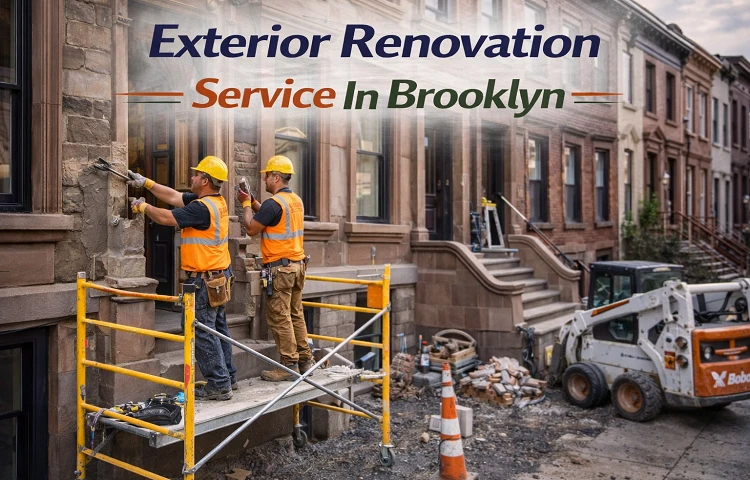
Brownstone Facade Restoration: Brooklyn's brownstone buildings, primarily built between 1860 and 1900, require careful restoration techniques that preserve their historical character while addressing common issues like stone deterioration, mortar failure, and water damage. Restoration typically involves cleaning, repairing, or replacing damaged brownstone blocks, addressing structural issues, and applying protective treatments to prevent future deterioration.
Brick Pointing and Tuckpointing: These essential maintenance techniques involve removing deteriorated mortar from brick joints and replacing it with fresh mortar that matches the original in composition, color, and texture. Proper pointing work prevents water infiltration, maintains structural integrity, and preserves the building's appearance. In Brooklyn's climate, pointing work typically needs attention every 15-25 years.
Stonework Repair for Historic Homes: Many Brooklyn properties feature decorative stonework, including limestone trim, granite steps, and carved details. Professional stonework repair involves cleaning, patching, replacement, and protective treatments that maintain the building's architectural character while ensuring long-term durability.
Modern masonry techniques also incorporate waterproofing systems, structural reinforcement, and energy-efficient details that improve building performance without compromising historical authenticity.
Roofing and Waterproofing
Brooklyn's diverse building stock features various roofing systems, each requiring specialized knowledge and materials for successful renovation and maintenance.
Common Roof Types in Brooklyn: The borough's buildings feature several distinct roofing styles, including flat roofs common on row houses and apartment buildings, pitched roofs with asphalt shingles on single-family homes, and slate roofs on many historic properties. Each system requires different materials, installation techniques, and maintenance approaches.
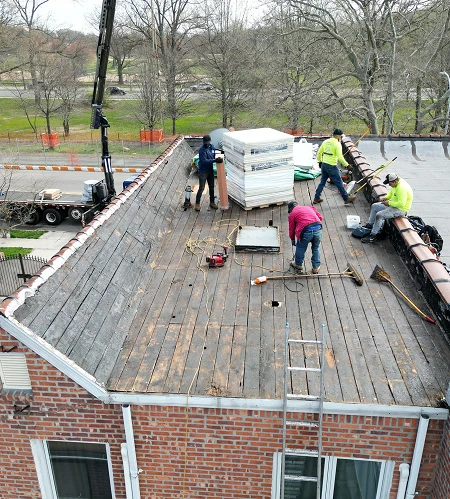
Flat Roof Systems: Many Brooklyn buildings feature flat or low-slope roofs that require specialized waterproofing systems. Modern flat roof renovations typically involve EPDM rubber membranes, modified bitumen systems, or thermoplastic membranes that provide superior weather protection and energy efficiency compared to older built-up roofing systems.
Pitched Roof Renovations: Brooklyn homes with pitched roofs benefit from modern materials like architectural asphalt shingles, metal roofing systems, or restored slate that provide enhanced weather protection and energy efficiency. Proper installation includes ice and water barriers, adequate ventilation, and updated flashing details.
Comprehensive Waterproofing: Brooklyn's coastal climate and frequent precipitation make comprehensive waterproofing essential. Professional waterproofing systems address roof membranes, exterior walls, foundations, and building envelope details to prevent water infiltration and related damage.
Quality roofing renovations in Brooklyn typically include 15-25 year warranties and incorporate energy-efficient features that reduce heating and cooling costs while improving indoor comfort.
Siding and Exterior Cladding
Exterior siding renovations provide Brooklyn homeowners with opportunities to improve energy efficiency, enhance curb appeal, and protect their investment while respecting neighborhood character.
Popular Siding Materials: Brooklyn's architectural diversity supports various siding options, including traditional wood clapboard, low-maintenance vinyl systems, durable fiber cement products, and modern composite materials. Each material offers distinct advantages in terms of appearance, maintenance requirements, energy efficiency, and cost.
Vinyl Siding Systems: Modern vinyl siding provides excellent durability, low maintenance requirements, and energy efficiency at affordable prices. Quality vinyl systems include insulated backing, proper ventilation details, and attractive profiles that complement Brooklyn's architectural styles.
Fiber Cement Siding: This premium siding material combines the appearance of wood with superior durability and fire resistance. Fiber cement siding resists insects, moisture, and impact damage while providing excellent paint retention and architectural detail options.
Energy Efficiency Benefits: Modern siding systems incorporate insulation layers, weather barriers, and thermal breaks that significantly improve building energy performance. These improvements reduce heating and cooling costs while enhancing indoor comfort and reducing environmental impact.
Aesthetic Integration: Successful siding renovations in Brooklyn require careful attention to architectural compatibility, neighborhood character, and historic preservation requirements where applicable. Professional contractors understand how to select materials and design details that enhance property values while respecting local architectural traditions.
Windows and Doors
Window and door renovations represent some of the most impactful exterior improvements Brooklyn homeowners can make, providing immediate benefits in energy efficiency, security, comfort, and appearance.
Historic Window Restoration vs. Modern Replacement: Brooklyn's historic properties often feature original wood windows that can be restored to excellent condition with proper techniques and materials. Restoration typically costs less than replacement while maintaining historical authenticity and superior performance characteristics. However, severely deteriorated windows may require replacement with historically appropriate alternatives.
Energy-Efficient Window Systems: Modern replacement windows offer dramatic improvements in energy efficiency through low-E coatings, argon gas fills, improved frame materials, and proper installation techniques. Energy Star-rated windows can reduce heating and cooling costs by 15-25% while improving indoor comfort and reducing noise transmission.
NYC Energy Code Compliance: New York City's energy codes require specific performance standards for replacement windows, including minimum U-factor ratings and air leakage requirements. Professional window contractors ensure compliance while maximizing energy efficiency benefits.
Security and Style Upgrades: Modern door systems provide enhanced security features, including multi-point locking systems, reinforced frames, and impact-resistant materials. Style options range from traditional wood designs to contemporary fiberglass and steel systems that complement any architectural style.
Professional Installation: Proper window and door installation requires specialized knowledge of building science, weatherproofing techniques, and structural integration. Quality installation ensures optimal performance, prevents air and water infiltration, and maintains warranty coverage.
Painting and Surface Finishes
Professional exterior painting and protective coating systems provide essential protection against Brooklyn's challenging weather conditions while enhancing property appearance and value.
Brownstone and Masonry Painting: Brooklyn's brownstone and brick buildings require specialized painting techniques and materials designed for masonry surfaces. Proper preparation includes cleaning, repair work, and primer application before applying high-quality masonry paints that allow vapor transmission while providing weather protection.
Wood Surface Preparation and Painting: Exterior wood surfaces require thorough preparation, including scraping, sanding, priming, and caulking before applying premium exterior paints. Quality paint systems provide 8-12 years of protection when properly applied over well-prepared surfaces.
Protective Coating Systems: Modern exterior coatings go beyond traditional paint to include elastomeric coatings, anti-graffiti systems, and specialized treatments that provide enhanced protection against weather, pollution, and physical damage. These advanced systems often include warranties and require professional application.
Color Selection and Neighborhood Harmony: Brooklyn's diverse neighborhoods each have distinct color palettes and aesthetic traditions. Professional painting contractors help homeowners select colors that enhance their property's architecture while maintaining neighborhood harmony and compliance with any historic district requirements.
Surface Preparation Standards: Proper exterior painting requires extensive surface preparation, including pressure washing, scraping, sanding, priming, and caulking. Quality preparation work ensures paint adhesion, longevity, and appearance while preventing premature failure.
Outdoor Spaces and Additions
Brooklyn homeowners increasingly invest in outdoor living spaces that extend their usable area while adding significant property value and lifestyle benefits.
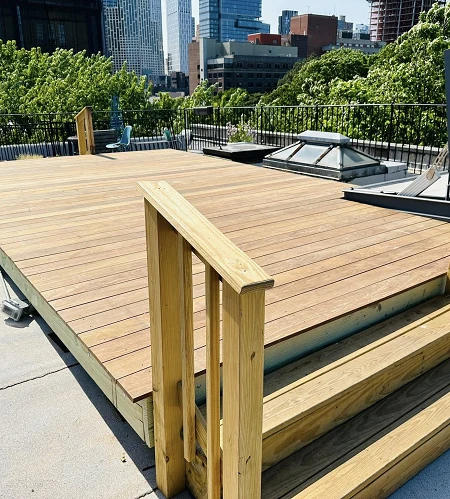
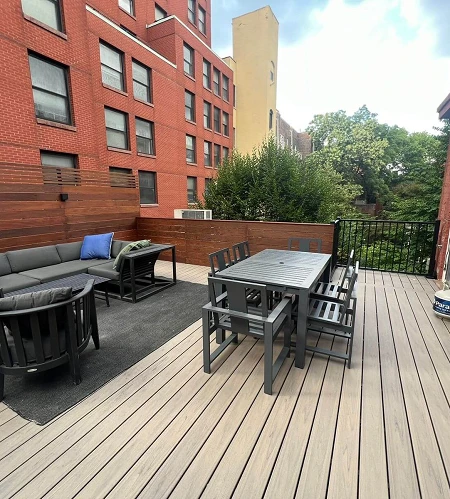
Deck and Patio Construction: Modern deck and patio systems utilize durable materials like composite decking, natural stone, and engineered pavers that provide attractive, low-maintenance outdoor living spaces. Professional construction ensures proper drainage, structural integrity, and compliance with building codes.
Backyard Renovation Projects: Brooklyn's compact lots require creative design solutions that maximize outdoor space utility while maintaining privacy and aesthetic appeal. Renovation projects might include landscaping, retaining walls, outdoor kitchens, and integrated lighting systems.
Fencing and Gate Systems: Quality fencing provides security, privacy, and aesthetic enhancement while defining property boundaries. Material options include traditional wood, low-maintenance vinyl, durable aluminum, and modern composite systems that complement various architectural styles.
Exterior Lighting Design: Professional exterior lighting systems enhance security, safety, and aesthetic appeal while extending outdoor living hours. Modern LED systems provide energy efficiency, long life, and sophisticated control options that integrate with smart home systems.
Permitting and Code Compliance: Outdoor additions often require building permits and must comply with zoning restrictions, setback requirements, and building codes. Professional contractors navigate these requirements while ensuring projects proceed smoothly and meet all regulatory standards.
The Exterior Renovation Process in Brooklyn
Successfully completing an exterior renovation project in Brooklyn requires careful planning, professional expertise, and thorough understanding of local requirements and challenges.
Initial Consultation and Site Assessment
The renovation process begins with a comprehensive evaluation of your property's current condition, renovation goals, and specific challenges. Professional contractors conduct thorough site assessments that identify structural issues, code compliance requirements, and opportunities for improvement.
Property Evaluation Factors: Brooklyn homes present unique challenges due to age, construction methods, environmental exposure, and previous modifications. Professional assessments evaluate structural integrity, building envelope performance, code compliance issues, and aesthetic considerations that influence renovation planning.
Historic Property Considerations: Older Brooklyn properties require specialized knowledge of traditional construction methods, material compatibility, and historic preservation requirements. Experienced contractors understand how to work with existing structural systems while incorporating modern improvements that enhance performance without compromising architectural integrity.
Neighborhood Context Analysis: Brooklyn's diverse neighborhoods each have distinct architectural characters, zoning requirements, and community standards that influence renovation planning. Professional contractors understand these local factors and help homeowners develop renovation plans that enhance property values while respecting neighborhood traditions.
Budget and Timeline Development: Realistic budget and timeline development requires thorough understanding of project scope, material costs, labor requirements, and potential complications. Experienced contractors provide detailed estimates that account for Brooklyn-specific factors like material delivery challenges, permit requirements, and weather considerations.
Design and Planning
Effective design and planning balance aesthetic goals with practical considerations, budget constraints, and regulatory requirements to create renovation plans that deliver optimal results.
Architectural Compatibility: Successful renovations respect existing architectural styles while incorporating modern improvements that enhance functionality and performance. Professional designers understand how to blend historical authenticity with contemporary conveniences and efficiency standards.
Material Selection Strategies: Brooklyn's climate and urban environment require durable, low-maintenance materials that provide long-term value and performance. Professional contractors help homeowners select materials that balance cost, appearance, performance, and maintenance requirements while meeting local building codes.
Energy Efficiency Integration: Modern renovation projects incorporate energy-efficient features that reduce operating costs and environmental impact while improving comfort and indoor air quality. Design considerations include insulation systems, window performance, air sealing, and mechanical system integration.
Phasing and Sequencing: Complex renovation projects often require careful phasing to minimize disruption, manage costs, and ensure optimal results. Professional project management ensures work proceeds in logical sequences that maximize efficiency while maintaining quality standards.
Permits and Regulations
Navigating Brooklyn's complex regulatory environment requires professional expertise and careful attention to requirements that vary depending on project scope, building type, and location.
NYC Department of Buildings Requirements: To get a building permit in New York City, a licensed Professional Engineer (PE) or Registered Architect (RA) must submit an application to the Department of Buildings. Professional contractors coordinate with qualified design professionals to ensure applications are complete, accurate, and compliant with current codes.
Landmark Preservation Commission Approvals: Properties located in historic districts require LPC approval before obtaining DOB permits. This process involves submitting detailed plans and specifications that demonstrate compliance with historic preservation guidelines while achieving renovation goals.
Zoning and Building Code Compliance: Brooklyn's zoning regulations and building codes establish specific requirements for setbacks, height limits, structural standards, and accessibility that influence renovation design and construction methods. Professional contractors ensure projects comply with all applicable regulations.
Timeline and Process Management: The permitting process typically requires 4-12 weeks depending on project complexity and regulatory requirements. Experienced contractors manage this process efficiently while keeping projects on schedule and within budget.
Construction and Execution
Professional construction management ensures renovation projects meet quality standards, safety requirements, and timeline expectations while minimizing disruption to homeowners and neighbors.
Construction Sequencing: Exterior renovation projects follow logical sequences that protect existing building elements, ensure weather protection, and maintain site safety throughout construction. Professional project management coordinates multiple trades and activities to maximize efficiency.
Quality Control Standards: Reputable contractors implement comprehensive quality control programs that include regular inspections, material verification, and workmanship standards that exceed industry minimums. Quality control prevents problems and ensures long-term performance.
Safety and Environmental Considerations: Brooklyn construction sites require strict safety protocols and environmental protection measures that protect workers, residents, and neighboring properties. Professional contractors maintain comprehensive insurance coverage and follow OSHA safety standards.
Communication and Project Updates: Regular communication keeps homeowners informed about project progress, addresses questions or concerns promptly, and ensures renovation results meet expectations. Professional contractors provide detailed progress reports and maintain open communication throughout construction.
Final Inspection and Quality Assurance
Project completion includes comprehensive inspections, testing, and documentation that ensure renovation results meet design specifications, code requirements, and performance expectations.
Building Department Inspections: Most renovation projects require final inspections by NYC Department of Buildings inspectors who verify code compliance and approve project completion. Professional contractors coordinate these inspections and address any issues promptly.
Performance Testing and Verification: Modern renovation projects often include performance testing for energy efficiency, water penetration resistance, and structural integrity. Professional contractors conduct these tests and provide documentation that verifies system performance.
Warranty and Maintenance Programs: Quality contractors provide comprehensive warranties that protect homeowners' investments and demonstrate confidence in their workmanship. Warranty programs typically include material and labor coverage with clear terms and responsive service.
Final Documentation and Maintenance Guidance: Project completion includes detailed documentation of work performed, materials installed, and maintenance requirements that help homeowners protect their investment and maintain optimal performance over time.
Benefits of Exterior Renovation in Brooklyn
Exterior renovation projects provide Brooklyn homeowners with numerous immediate and long-term benefits that enhance their quality of life while protecting and increasing their property's value.
Property Value Enhancement
Well-executed exterior renovations consistently provide excellent returns on investment in Brooklyn's competitive real estate market. Quality renovations can increase property values by 15-25% or more, depending on the scope of work and neighborhood characteristics.
Market Appeal and Differentiation: Updated exteriors help properties stand out in Brooklyn's competitive market while appealing to buyers who prioritize move-in ready homes with modern amenities and efficient systems. Properties with recent exterior renovations typically sell faster and command premium prices.
Neighborhood Positioning: Thoughtfully designed renovations that respect architectural character while incorporating modern improvements position properties as neighborhood leaders that set standards for quality and desirability.
Long-term Investment Protection: Quality exterior renovations protect building structural systems and extend building life while reducing future maintenance and repair costs. These improvements provide ongoing value protection that compounds over time.
Energy Efficiency and Cost Reduction
Modern exterior renovation techniques and materials can dramatically reduce energy consumption and utility costs while improving indoor comfort and environmental sustainability.
Insulation and Air Sealing Improvements: Comprehensive exterior renovations address thermal bridging, air infiltration, and insulation deficiencies that plague many older Brooklyn buildings. These improvements can reduce heating and cooling costs by 20-40% while improving comfort.
Window and Door Performance: Energy-efficient windows and doors with proper installation techniques eliminate drafts, reduce noise transmission, and improve comfort while reducing energy costs. Modern systems often include advanced features like low-E coatings and argon gas fills that maximize performance.
Roofing and Siding Efficiency Features: Modern roofing and siding systems incorporate reflective materials, ventilation systems, and thermal barriers that reduce cooling loads while providing superior weather protection and durability.
Utility Rebates and Incentives: Many energy-efficient renovation features qualify for utility rebates, tax credits, and other incentives that reduce project costs while encouraging environmental responsibility.
Curb Appeal and Lifestyle Enhancement
Exterior renovations provide immediate aesthetic improvements that enhance daily living experiences while creating attractive, welcoming environments that homeowners can enjoy and take pride in.
Architectural Enhancement: Professional renovations highlight existing architectural features while adding contemporary touches that create visual interest and character. Quality design balances tradition with innovation to create timeless appeal.
Outdoor Living Integration: Modern exterior renovations often include outdoor living spaces, lighting systems, and landscaping elements that extend usable living areas while creating attractive, functional environments for relaxation and entertainment.
Neighborhood Pride and Community Impact: High-quality renovations contribute to neighborhood improvement and property value increases that benefit entire communities. Individual renovation projects often inspire neighboring improvements that create positive community development cycles.
Durability and Maintenance Reduction
Quality exterior renovations utilize modern materials and techniques that provide superior durability and reduced maintenance requirements compared to traditional systems.
Material Performance Advances: Modern exterior materials offer significant improvements in durability, weather resistance, and maintenance requirements. Advanced materials like fiber cement siding, composite decking, and high-performance roofing systems provide decades of reliable service with minimal maintenance.
System Integration and Performance: Professional renovation projects integrate building systems for optimal performance and longevity. Proper integration prevents water infiltration, thermal bridging, and other issues that cause premature failure and expensive repairs.
Preventive Protection: Comprehensive exterior renovations address existing problems while implementing preventive measures that protect against future issues. This proactive approach reduces long-term maintenance costs and extends building life.
Challenges and Considerations
While exterior renovation projects provide significant benefits, Brooklyn homeowners must navigate several unique challenges and considerations that require professional expertise and careful planning.
Cost Considerations and Budget Planning
Brooklyn's urban environment and regulatory requirements create cost factors that may not exist in other markets, requiring careful budget planning and realistic expectations.
Material and Labor Costs: Brooklyn construction costs typically exceed national averages due to high demand, specialized skill requirements, and logistical challenges. Quality materials and experienced contractors command premium prices but provide superior results and long-term value.
Permitting and Regulatory Costs: Building permits, professional design services, and regulatory compliance add costs that may not be immediately apparent but are essential for legal, safe, and valuable renovations. Professional contractors factor these costs into project estimates and help homeowners understand total investment requirements.
Hidden Condition Discovery: Older Brooklyn buildings often reveal unexpected conditions during renovation that require additional work and investment. Experienced contractors anticipate these possibilities and help homeowners plan for contingencies while minimizing surprises.
Financing and Payment Planning: Large renovation projects may require construction loans or other specialized financing that differs from traditional home improvement loans. Professional contractors can recommend financing options and work with payment schedules that meet homeowners' needs.
Logistical and Site Challenges
Brooklyn's dense urban environment creates unique logistical challenges that require professional expertise and careful planning to address successfully.
Access and Material Delivery: Narrow streets, limited parking, and restricted access complicate material delivery and equipment positioning for many Brooklyn properties. Experienced contractors develop logistics plans that minimize disruption while ensuring efficient project completion.
Neighbor Relations and Community Impact: Construction activities affect neighboring properties and require consideration for noise, dust, access, and aesthetic impacts. Professional contractors implement protocols that maintain positive community relations while completing projects efficiently.
Weather and Seasonal Considerations: Brooklyn's climate creates seasonal limitations for certain types of exterior work, particularly roofing and masonry projects that require specific temperature and moisture conditions. Professional project scheduling accounts for weather factors while maintaining realistic timelines.
Storage and Site Security: Limited on-site storage space and urban security concerns require special arrangements for material storage, tool security, and site protection. Professional contractors implement comprehensive security measures that protect materials and equipment while preventing unauthorized access.
Regulatory Compliance and Historic Preservation
Brooklyn's complex regulatory environment and extensive historic districts create compliance requirements that significantly influence renovation planning and execution.
Building Code Evolution: New York City's building codes evolve regularly to address safety, accessibility, and energy efficiency requirements. Professional contractors stay current with code changes and ensure renovation projects meet all applicable standards.
Historic District Requirements: Properties in Brooklyn's numerous historic districts must comply with Landmark Preservation Commission guidelines that influence material selection, design details, and construction methods. These requirements often extend project timelines and increase costs but preserve neighborhood character and property values.
Zoning Compliance Issues: Brooklyn's complex zoning regulations affect building height, setbacks, lot coverage, and use restrictions that influence renovation possibilities. Professional contractors understand these limitations and help homeowners develop compliant renovation plans.
Inspection and Approval Processes: Multiple inspection and approval stages throughout renovation projects require coordination with various regulatory agencies and professionals. Experienced contractors manage these processes efficiently while ensuring compliance and avoiding delays.
Contractor Selection and Quality Assurance
Choosing qualified contractors represents one of the most important decisions in exterior renovation projects, requiring careful evaluation of experience, reputation, and qualifications.
Licensing and Insurance Verification: New York State requires specific licenses for various construction trades, and contractors must maintain comprehensive insurance coverage. Homeowners should verify contractor credentials and insurance coverage before beginning projects.
Portfolio and Reference Evaluation: Quality contractors maintain portfolios of completed projects and provide references from satisfied customers. Evaluating past work and speaking with previous clients provides valuable insights into contractor performance and reliability.
Contract Terms and Protection: Comprehensive written contracts protect both homeowners and contractors by clearly defining scope, specifications, timelines, and payment terms. Professional contracts include change order procedures, warranty terms, and dispute resolution mechanisms.
Communication and Project Management: Successful renovation projects require clear communication, regular updates, and professional project management. Evaluating contractor communication skills and management systems helps ensure positive project experiences.
Case Studies and Real-World Examples
Brooklyn's diverse architectural landscape provides numerous examples of successful exterior renovation projects that demonstrate the transformative potential of professional renovation services.
Brownstone Restoration Success Stories
Park Slope Victorian Brownstone Transformation: A deteriorated 1890s brownstone underwent comprehensive exterior renovation that included complete facade restoration, modern window installation, and energy efficiency upgrades. The project preserved historical authenticity while incorporating contemporary performance features that reduced energy costs by 35% and increased property value by $400,000.
The renovation addressed extensive brownstone deterioration through careful stone repair and replacement, matching original materials and construction techniques. New windows replicated historical profiles while incorporating modern energy-efficient features and proper installation details. The project required LPC approval and demonstrated how historic preservation and modern performance can be successfully integrated.
Carroll Gardens Row House Modernization: A 1920s row house received exterior updates that balanced period character with contemporary functionality. The renovation included new fiber cement siding, energy-efficient windows, and a modern roofing system that maintained neighborhood architectural harmony while dramatically improving building performance.
The project addressed existing maintenance issues while implementing modern materials and systems that provide decades of reliable performance with minimal maintenance requirements. Energy efficiency improvements reduced utility costs while enhancing comfort and indoor air quality.
Contemporary Renovation Projects
DUMBO Townhouse Complete Renovation: A 1960s townhouse underwent total exterior transformation that created contemporary architectural appeal while respecting neighborhood context. The renovation included modern siding systems, expansive window walls, and integrated outdoor living spaces that maximized natural light and outdoor access.
The project demonstrated how older buildings can be completely transformed through comprehensive renovation that addresses structural, aesthetic, and performance issues while creating distinctive contemporary appeal.
Bay Ridge Colonial Revival Updates: A 1930s Colonial Revival home received targeted exterior improvements that enhanced energy efficiency and curb appeal while maintaining architectural authenticity. Updates included window replacement, siding repair and painting, and landscape integration that created cohesive property enhancement.
The renovation showed how focused improvements can provide significant benefits without requiring complete building transformation, making quality improvements accessible to homeowners with moderate budgets.
Energy Efficiency and Sustainability Projects
Sustainable Renovation in Prospect Heights: A comprehensive exterior renovation incorporated advanced energy efficiency and sustainability features including solar panels, rainwater collection systems, and high-performance building envelope improvements that achieved net-zero energy performance.
The project demonstrated how traditional Brooklyn architecture can accommodate advanced sustainability features while maintaining aesthetic appeal and neighborhood compatibility. The renovation serves as a model for environmentally responsible building improvement.
Historic Preservation with Modern Performance: A landmark-designated brownstone underwent exterior renovation that met strict historic preservation requirements while achieving dramatic energy efficiency improvements through careful material selection and advanced installation techniques.
The project proved that historic preservation and energy efficiency can be successfully combined through professional expertise and innovative approaches that respect architectural heritage while achieving contemporary performance standards.
Current Trends in Brooklyn Exterior Renovation
Brooklyn's exterior renovation market continues to evolve, incorporating new materials, technologies, and design approaches that reflect changing homeowner priorities and environmental considerations.
Sustainable and Eco-Friendly Materials
Environmental consciousness increasingly influences material selection and renovation approaches as homeowners seek to reduce environmental impact while improving building performance.
Recycled and Renewable Materials: Modern exterior renovations increasingly incorporate recycled materials, rapidly renewable resources, and locally sourced products that reduce environmental impact while providing excellent performance characteristics. Examples include recycled composite decking, FSC-certified wood products, and locally quarried stone materials.
Low-Impact Installation Methods: Renovation techniques that minimize waste, reduce energy consumption during installation, and preserve existing building elements are becoming standard practice among environmentally conscious contractors and homeowners.
Life-Cycle Performance Optimization: Material selection increasingly considers long-term environmental impact, including durability, maintenance requirements, end-of-life disposal, and energy performance over the building's expected life span.
Green Building Certification: Some Brooklyn renovation projects pursue green building certifications like LEED or ENERGY STAR that document environmental performance and provide third-party verification of sustainability features.
Smart Home Integration and Technology
Technology integration in exterior renovations provides enhanced security, convenience, and efficiency while supporting connected home ecosystems.
Intelligent Lighting Systems: LED exterior lighting systems with smart controls, motion detection, and automated scheduling provide enhanced security and energy efficiency while supporting smartphone and voice control integration.
Security System Integration: Modern exterior renovations often include integrated security features like video surveillance, smart locks, and perimeter monitoring that connect to comprehensive home security systems.
Weather Monitoring and Response: Advanced building systems monitor weather conditions and automatically adjust ventilation, heating, and cooling systems while providing homeowners with real-time information about building performance.
Solar and Energy Storage Integration: Renewable energy systems, including solar panels and battery storage, are increasingly integrated into exterior renovation projects that maximize energy independence while reducing utility costs.
Design Trends and Aesthetic Evolution
Brooklyn exterior renovation design trends balance respect for architectural heritage with contemporary aesthetic preferences and lifestyle requirements.
Modern Minimalism: Clean lines, simple forms, and reduced ornamental details appeal to homeowners who prefer contemporary aesthetic while maintaining neighborhood compatibility.
Mixed Material Systems: Combining traditional materials like brick and stone with modern materials like metal and glass creates visual interest while providing optimal performance characteristics.
Indoor-Outdoor Living Integration: Renovation designs increasingly blur boundaries between interior and exterior spaces through large windows, sliding door systems, and integrated outdoor living areas.
Color and Texture Innovation: Bold color choices and varied texture combinations create distinctive property character while maintaining architectural harmony with neighborhood context.
Market Response to Climate Change
Climate resilience and extreme weather preparation increasingly influence renovation planning and material selection as Brooklyn faces evolving environmental challenges.
Storm-Resistant Design: Hurricane-resistant windows, reinforced roofing systems, and flood-resistant materials address increasing severe weather risks while providing superior performance under normal conditions.
Heat Island Reduction: Reflective roofing materials, extensive landscaping, and permeable surfaces reduce urban heat island effects while improving property comfort and environmental sustainability.
Water Management Systems: Advanced drainage, permeable surfaces, and rainwater management systems address increasing precipitation intensity while reducing property maintenance and environmental impact.
Adaptive Renovation Strategies: Renovation approaches that anticipate future climate conditions and regulatory changes provide long-term value protection while ensuring continued habitability and performance.
Future Outlook for Exterior Renovation in Brooklyn
Brooklyn's exterior renovation market continues to evolve in response to changing technologies, environmental concerns, regulatory requirements, and homeowner expectations.
Climate Resilience and Adaptation
Future renovation projects will increasingly address climate change impacts and prepare buildings for evolving environmental conditions.
Extreme Weather Preparation: Building envelope improvements, structural reinforcement, and system redundancy will become standard features that protect properties against increasingly severe weather events while maintaining comfortable living conditions.
Flood Resilience: Rising sea levels and increased storm intensity will drive demand for flood-resistant materials, elevated utilities, and water management systems that protect properties in vulnerable areas.
Temperature Adaptation: Cooling system improvements, advanced insulation, and heat-resistant materials will address rising average temperatures while maintaining energy efficiency and comfort.
Sustainable Water Management: Integrated water collection, storage, and treatment systems will become common features that reduce utility dependence while providing environmental benefits.
Regulatory Evolution and Compliance
New York City's building codes and regulations continue to evolve in response to environmental concerns, technological advances, and safety considerations.
Energy Performance Standards: Increasingly stringent energy efficiency requirements will drive demand for high-performance building envelope improvements, renewable energy integration, and advanced mechanical systems.
Carbon Reduction Mandates: Local laws requiring carbon emission reductions will influence material selection, energy system choices, and renovation approaches that minimize environmental impact.
Resilience Requirements: Future building codes may require climate resilience features that ensure continued habitability and functionality during extreme weather events and infrastructure disruptions.
Technology Integration Standards: Smart home and building automation features may become required elements that ensure optimal performance and occupant safety.
Technology and Innovation Impact
Emerging technologies will continue to transform exterior renovation approaches, materials, and performance capabilities.
Advanced Materials: New materials with superior performance characteristics, including self-healing coatings, phase-change insulation, and adaptive building skins, will provide enhanced functionality and efficiency.
Digital Design and Visualization: Virtual and augmented reality technologies will improve renovation planning and help homeowners visualize results before construction begins.
Robotic and Automated Construction: Construction robotics and automation will improve quality, reduce costs, and enable precision installation of complex systems and materials.
Performance Monitoring Systems: Integrated sensors and monitoring systems will provide real-time feedback about building performance while identifying maintenance needs and optimization opportunities.
Market Evolution and Consumer Preferences
Brooklyn homeowners' priorities continue to evolve in response to lifestyle changes, environmental awareness, and economic considerations.
Health and Wellness Focus: Renovation projects will increasingly incorporate features that support occupant health and wellness, including improved air quality, natural lighting, and biophilic design elements.
Flexible and Adaptable Spaces: Exterior renovations will emphasize adaptability and multi-functional outdoor spaces that can accommodate changing lifestyle needs and preferences.
Community Integration: Renovation approaches that strengthen neighborhood connections and community resilience will become increasingly important to homeowners and communities.
Economic Value Optimization: Homeowners will continue to prioritize renovation investments that provide maximum economic returns while supporting their lifestyle goals and environmental values.
Conclusion
Exterior renovation in Brooklyn represents a significant opportunity for property owners to enhance their investment, improve their quality of life, and contribute to their neighborhood's character and vitality. From historic brownstone restoration to contemporary energy-efficient upgrades, successful renovation projects require professional expertise, careful planning, and thorough understanding of Brooklyn's unique architectural heritage, regulatory environment, and market conditions.
The benefits of professional exterior renovation extend far beyond immediate aesthetic improvements. Quality renovation projects provide substantial returns on investment through increased property values, reduced energy costs, improved comfort and functionality, and enhanced long-term durability. In Brooklyn's competitive real estate market, well-executed exterior renovations help properties stand out while contributing to neighborhood improvement and community pride.
However, Brooklyn exterior renovation projects also present unique challenges that require specialized knowledge and professional expertise to navigate successfully. Complex permitting requirements, historic preservation guidelines, logistical constraints, and technical considerations demand contractors with deep local experience and proven track records of successful project completion.
The future of exterior renovation in Brooklyn promises continued evolution as new materials, technologies, and environmental considerations shape renovation approaches and homeowner expectations. Climate resilience, energy efficiency, smart home integration, and sustainable materials will increasingly influence renovation planning while traditional values of architectural preservation and neighborhood character remain paramount.
For Brooklyn homeowners considering exterior renovation projects, the key to success lies in partnering with experienced, licensed professionals who understand the borough's unique requirements and can deliver quality results that meet both immediate needs and long-term goals. Professional contractors provide essential services including project planning, permit coordination, quality construction, and ongoing support that ensure renovation investments provide maximum value and satisfaction.
Whether you're planning a complete building transformation or targeted improvements to address specific needs, professional exterior renovation services can help you achieve your goals while navigating Brooklyn's complex requirements efficiently and effectively.
Ready to transform your Brooklyn property with professional exterior renovation services? Contact Green Point Construction NY today for a comprehensive consultation and personalized renovation plan that addresses your specific needs, budget, and timeline. Our experienced team understands Brooklyn's unique challenges and opportunities, and we're committed to delivering exceptional results that enhance your property's value, performance, and appeal.
Don't let another season pass without addressing your property's exterior renovation needs. Call Green Point Construction NY now to schedule your consultation and take the first step toward realizing your property's full potential through professional exterior renovation services tailored specifically for Brooklyn homeowners.
Frequently Asked Questions About Exterior Renovation in Brooklyn
What permits are required for exterior renovations in Brooklyn?
Most exterior renovation projects in Brooklyn require permits from the NYC Department of Buildings (DOB). Required permits typically include:
Building permits for structural work, siding installation, roofing replacement, and window/door modifications. These permits require plans prepared by licensed professionals and cost $100-$500+ depending on project scope.
Electrical permits for exterior lighting, outlet installation, and electrical system modifications. Licensed electricians typically handle permit applications and inspections.
Plumbing permits for exterior water connections, drainage modifications, and utility relocations. Licensed plumbers coordinate permitting and inspection requirements.
Special permits may be required for properties in historic districts, flood zones, or special zoning areas. The Landmark Preservation Commission (LPC) must approve work in designated historic districts before DOB permits can be obtained.
Professional contractors handle permit applications, coordinate inspections, and ensure compliance with all regulatory requirements, typically adding 4-8 weeks to project timelines for permit processing.
How much does an exterior renovation typically cost in Brooklyn?
Brooklyn exterior renovation costs vary significantly depending on project scope, materials, building condition, and specific requirements, but typical ranges include:
Basic exterior painting: $8,000-$15,000 for a typical brownstone or row house, including surface preparation, primer, and high-quality exterior paint.
Siding replacement: $15,000-$35,000 depending on material choice (vinyl, fiber cement, or wood) and building size, including proper insulation and weather barriers.
Window replacement: $800-$2,000 per window for quality energy-efficient units with professional installation, depending on size and performance specifications.
Roofing replacement: $12,000-$25,000 for typical Brooklyn homes, varying by roof type, material selection, and structural requirements.
Complete exterior renovation: $50,000-$150,000+ for comprehensive projects including multiple building systems, depending on building size and renovation scope.
Brownstone facade restoration: $100,000-$300,000+ for complete masonry restoration, depending on building condition and preservation requirements.
Costs in Brooklyn typically exceed national averages by 20-40% due to labor costs, material delivery challenges, and regulatory requirements. Professional contractors provide detailed estimates that account for all project requirements and potential complications.
How long does a typical Brooklyn exterior renovation take?
Brooklyn exterior renovation timelines depend on project complexity, weather conditions, permit requirements, and contractor scheduling, but typical durations include:
Exterior painting projects: 1-3 weeks for complete building painting, including surface preparation and weather delays.
Siding installation: 2-4 weeks for complete siding replacement, depending on building size and material complexity.
Window replacement: 1-2 days per window for standard installations, with complete house projects typically requiring 1-2 weeks.
Roofing replacement: 1-2 weeks for complete roof replacement, weather permitting, including material delivery and cleanup.
Comprehensive exterior renovation: 2-6 months for complete building exterior renovation, including permit processing, material procurement, and construction phases.
Historic restoration projects: 3-12 months for complex brownstone or landmark building restoration, including extensive regulatory approvals and specialized construction techniques.
Timeline factors unique to Brooklyn include permit processing delays (4-12 weeks), seasonal weather limitations, material delivery challenges, and coordination with neighboring properties in dense urban environments.
What are the most common exterior renovation mistakes to avoid in Brooklyn?
Brooklyn homeowners should avoid several common exterior renovation mistakes that can result in compliance issues, cost overruns, and unsatisfactory results:
Proceeding without proper permits can result in stop-work orders, fines up to $25,000, and complications when selling the property. Always obtain required permits before beginning work.
Ignoring historic district requirements in Brooklyn's numerous landmarked neighborhoods can result in violations and forced restoration of non-compliant work. Consult the LPC before planning renovations in historic districts.
Choosing contractors based solely on price often results in poor workmanship, compliance issues, and additional costs to correct problems. Verify contractor licenses, insurance, and references before making decisions.
Inadequate weather protection during construction can cause water damage and mold issues that exceed renovation costs. Professional contractors implement comprehensive weather protection protocols.
Selecting inappropriate materials for Brooklyn's climate and building types can result in premature failure and excessive maintenance costs. Professional contractors recommend materials suitable for local conditions and architectural requirements.
Poor communication with neighbors can create conflicts and complications in Brooklyn's dense urban environment. Professional contractors maintain positive community relations throughout construction.
Do exterior renovations require special considerations for Brooklyn's climate?
Brooklyn's climate presents several challenges that influence exterior renovation material selection and construction methods:
Freeze-thaw cycles during winter months can damage improperly installed materials and systems. Professional installations include proper drainage, expansion joints, and winter protection measures.
Coastal moisture exposure requires materials and installation methods that resist salt air, humidity, and water infiltration. Quality contractors use marine-grade fasteners and moisture-resistant materials.
Urban pollution exposure accelerates deterioration of exterior materials and finishes. Advanced coating systems and regular maintenance help protect against environmental damage.
Temperature extremes from winter lows to summer heat require materials and systems that accommodate thermal expansion and contraction without failure.
Severe weather events including hurricanes and nor'easters require storm-resistant installation methods and impact-resistant materials for long-term durability.
Professional contractors understand these climate challenges and specify materials and installation methods that provide superior performance and longevity in Brooklyn's demanding environment.
How do I choose the right contractor for my Brooklyn exterior renovation?
Selecting qualified contractors represents the most important decision in exterior renovation projects. Essential evaluation criteria include:
Licensing and credentials verification: Confirm New York State licensing for applicable trades and verify current status through official databases. Licensed contractors must maintain continuing education and insurance requirements.
Insurance coverage confirmation: Verify comprehensive general liability and workers' compensation insurance with certificates naming you as additional insured. Minimum coverage should exceed $1 million per occurrence.
Local experience demonstration: Prioritize contractors with extensive Brooklyn experience who understand local building codes, permit requirements, and neighborhood characteristics.
Portfolio and reference evaluation: Review completed projects similar to yours and contact recent clients to discuss their experiences, focusing on communication, quality, and problem resolution.
Written estimates and contracts: Compare detailed written estimates that specify materials, methods, timelines, and costs. Avoid contractors who provide verbal estimates or demand full payment upfront.
Communication and professionalism assessment: Evaluate responsiveness, knowledge, and professionalism during initial consultations. Quality contractors provide clear explanations and address concerns thoroughly.
Better Business Bureau and online reviews: Research contractor reputations through BBB ratings, Google reviews, and professional association memberships that demonstrate commitment to quality and customer satisfaction.
Green Point Construction NY meets all these criteria and provides Brooklyn homeowners with licensed, insured, experienced professionals committed to delivering exceptional exterior renovation results that enhance property value and homeowner satisfaction.
What financing options are available for Brooklyn exterior renovation projects?
Brooklyn homeowners have several financing options for exterior renovation projects, each with distinct advantages and requirements:
Home equity loans provide lump-sum financing at fixed interest rates, typically offering the lowest cost for large renovation projects. Loan amounts up to 80-90% of home equity with terms up to 30 years.
Home equity lines of credit (HELOC) offer flexible access to funds as needed during construction, with variable interest rates and interest-only payment options during construction phases.
Cash-out refinancing allows homeowners to refinance existing mortgages for amounts exceeding current balances, providing renovation funds at mortgage interest rates.
Personal loans provide quick access to funds without home collateral requirements, though typically at higher interest rates and shorter terms than home-secured options.
Contractor financing programs offered by some renovation companies provide convenient financing options with competitive terms and streamlined application processes.
Government incentive programs including energy efficiency rebates, historic preservation tax credits, and weatherization assistance programs can reduce renovation costs significantly.
Credit cards and short-term financing may be appropriate for smaller projects, though interest rates typically exceed other financing options.
Professional contractors can recommend financing options and work with approved lenders who understand renovation financing requirements and can expedite approval processes.
How do Brooklyn's historic districts affect exterior renovation projects?
Brooklyn contains numerous historic districts that require special approvals and compliance with preservation guidelines that influence renovation planning and costs:
Landmark Preservation Commission approval is required for all exterior work visible from public streets in designated historic districts. Applications must demonstrate compatibility with historic character and architectural integrity.
Design review requirements evaluate proposed materials, colors, architectural details, and construction methods for compliance with preservation standards. Reviews typically require 4-8 weeks and may involve public hearings.
Material and method restrictions limit acceptable renovation approaches to those that preserve historical authenticity while allowing appropriate modern improvements for safety and functionality.
Professional consultation requirements often mandate involvement of preservation specialists, architects, and contractors with historic renovation experience to ensure appropriate approaches and quality results.
Cost implications typically increase project costs by 15-30% due to specialized materials, expert consultation, extended timelines, and regulatory compliance requirements.
Tax incentive opportunities may be available for qualifying historic preservation projects, including federal and state tax credits that can offset additional preservation costs.
Properties in Brooklyn historic districts including Brooklyn Heights, Park Slope, Fort Greene, Cobble Hill, and others must comply with these requirements. Professional contractors experienced in historic preservation can navigate these requirements efficiently while achieving excellent renovation results that respect architectural heritage.
What seasonal timing works best for Brooklyn exterior renovation projects?
Brooklyn's climate creates optimal timing considerations for different types of exterior renovation work:
Spring (March-May) provides ideal conditions for most exterior work as temperatures moderate and precipitation decreases. This popular season requires early contractor scheduling due to high demand.
Summer (June-August) offers the longest daylight hours and most predictable weather for exterior construction, though extreme heat can affect worker productivity and material performance.
Fall (September-November) provides excellent working conditions with moderate temperatures and lower humidity, making it ideal for painting, siding, and roofing projects before winter weather arrives.
Winter (December-February) limits exterior work due to temperature restrictions for certain materials and weather-related delays, though emergency repairs and indoor preparation work can continue.
Project-specific considerations include:
- Masonry work requires temperatures above 40°F for proper mortar curing
- Painting requires temperatures above 50°F and dry conditions
- Roofing work depends on weather conditions and material specifications
- Window installation can proceed year-round with proper weather protection
Professional contractors schedule projects to optimize weather conditions while accommodating homeowner preferences and permit processing timelines. Early planning allows optimal scheduling that maximizes efficiency and minimizes weather-related delays.
How do co-op and condo regulations affect exterior renovation in Brooklyn?
Brooklyn co-op and condominium buildings have additional regulatory layers that affect exterior renovation planning and approval processes:
Board approval requirements typically mandate detailed renovation plans, contractor credentials, insurance certificates, and timeline coordination with building management before work can begin.
Building-specific guidelines established by co-op and condo boards may restrict materials, colors, construction hours, and installation methods to maintain building consistency and minimize resident disruption.
Alteration agreements formalize renovation approvals and establish terms including insurance requirements, damage deposits, construction scheduling, and restoration obligations.
Architectural review processes may require professional design drawings and specifications that demonstrate compliance with building standards and aesthetic requirements.
Insurance and liability considerations often require contractors to carry higher coverage limits and name the building corporation as additional insured parties.
Construction logistics coordination includes material delivery scheduling, storage arrangements, common area protection, and resident notification protocols.
Window and facade work in co-op and condo buildings may require building-wide coordination and professional management to ensure consistent appearance and performance.
Professional contractors experienced with co-op and condo renovations understand these requirements and can navigate approval processes efficiently while maintaining positive relationships with building management and residents.
Working with experienced professionals like Green Point Construction NY ensures your Brooklyn exterior renovation project meets all regulatory requirements while delivering exceptional results that enhance your property's value, performance, and appeal.