
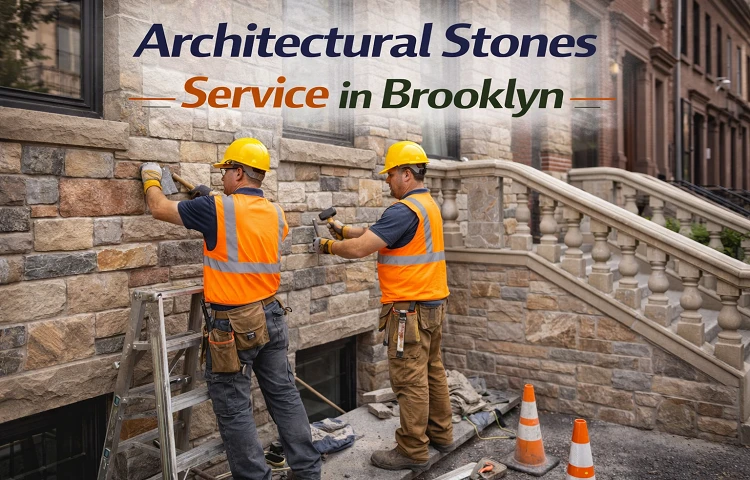
Architectural Stones Brooklyn Your Complete Guide to Natural Stone Construction and Restoration
Brooklyn's architectural landscape tells a story written in stone. From the iconic brownstone facades of Park Slope to the grand limestone monuments of Prospe...
Brooklyn's architectural landscape tells a story written in stone. From the iconic brownstone facades of Park Slope to the grand limestone monuments of Prospect Park, architectural stones have defined the borough's character for over two centuries. Whether you're planning a historic restoration, designing a modern facade, or seeking durable materials for your next construction project, understanding architectural stones is essential for creating lasting, beautiful structures that honor Brooklyn's rich building traditions.
This comprehensive guide explores everything you need to know about architectural stones in Brooklyn – from selecting the right materials to understanding installation techniques, maintenance requirements, and the unique considerations that come with building in New York's most architecturally diverse borough. You'll discover how to choose stones that complement Brooklyn's aesthetic while meeting modern performance standards, and learn why professional expertise makes all the difference in stone construction and restoration projects.
What Are Architectural Stones and Why They Matter in Brooklyn
Architectural stones are natural or engineered stone materials specifically selected and processed for construction and decorative applications in buildings. These materials serve both structural and aesthetic purposes, providing the foundation for Brooklyn's most enduring architectural achievements.
In Brooklyn's context, architectural stones encompass everything from the sedimentary limestone used in 19th-century churches to the polished granite adorning contemporary commercial buildings. These materials offer unmatched durability, natural beauty, and the ability to weather New York's challenging climate while maintaining their structural integrity and visual appeal.
The importance of architectural stones in Brooklyn extends beyond mere construction material. They represent a connection to craftsmanship traditions, provide sustainable building solutions, and contribute to the borough's property values and cultural identity. When properly selected and installed, architectural stones can last centuries, making them both an investment in immediate beauty and long-term value.
The Rich History and Heritage of Architectural Stones in Brooklyn
Ancient Foundations of Stone Architecture
Stone has served as humanity's most enduring building material for millennia. From the pyramids of Egypt to the Roman Colosseum, stone architecture represents permanence, strength, and artistic achievement. This global tradition found new expression in Brooklyn, where Dutch and English settlers first incorporated local stone into their colonial structures.
The use of architectural stones in New York can be traced back to the 1600s, when early European settlers discovered abundant limestone deposits in nearby quarries. Manhattan's distinctive schist bedrock and Long Island's glacial stone deposits provided readily available materials for construction, establishing a tradition of stone architecture that would define the region's character.
Brooklyn's Brownstone Legacy
The mid-19th century marked Brooklyn's golden age of stone architecture with the proliferation of brownstone construction. These distinctive rowhouses, built primarily from Connecticut Valley sandstone, created the uniform yet varied streetscapes that define neighborhoods like Brooklyn Heights, Fort Greene, and Crown Heights today.
Brownstone became Brooklyn's signature architectural material due to its workability, affordability, and attractive chocolate-brown color that aged beautifully. Quarried primarily in Connecticut and New Jersey, this sandstone could be carved into intricate details, creating the ornate stoops, cornices, and window surrounds that characterize Brooklyn's historic districts.
The Brooklyn Bridge, completed in 1883, showcased the borough's mastery of stone construction on a grand scale. Its massive limestone and granite towers demonstrated how architectural stones could be used for both monumental engineering and aesthetic achievement, inspiring generations of builders and architects.
Evolution to Modern Stone Applications
The 20th century brought new technologies and materials that transformed how architectural stones were used in construction. Steel frame construction allowed stone to transition from load-bearing walls to decorative cladding, opening new possibilities for design and cost-effectiveness.
Post-war Brooklyn saw the introduction of engineered stones, precast elements, and innovative installation techniques that made stone architecture more accessible while maintaining its traditional appeal. Today's stone construction combines time-tested materials with modern engineering, creating buildings that honor Brooklyn's heritage while meeting contemporary performance standards.
Types of Architectural Stones Used in Brooklyn Construction
Natural Stones: Time-Tested Beauty and Performance
Granite: The Ultimate in Durability
Granite stands as the most durable architectural stone available, with a hardness that resists weathering, scratching, and staining. Formed deep within the Earth under extreme pressure and heat, granite's crystalline structure provides exceptional strength that makes it ideal for high-traffic areas and exterior applications.
In Brooklyn construction, granite appears most commonly in commercial facades, monuments, and luxury residential applications. Its natural resistance to freeze-thaw cycles makes it particularly well-suited for New York's climate, where winter temperatures can cause less durable stones to crack and deteriorate.
Granite offers an impressive range of colors and patterns, from classic gray and black to exotic blues, greens, and reds. The stone's ability to take a high polish makes it popular for both traditional and contemporary designs, while its natural texture provides excellent traction for steps and walkways.
Marble: Timeless Elegance and Sophistication
Marble has symbolized luxury and refinement in architecture for thousands of years. Formed from limestone or dolomite subjected to heat and pressure, marble's distinctive veining and ability to take a mirror-like polish make it a favorite for prestigious projects and interior applications.
Brooklyn's historic churches and public buildings frequently feature marble elements, from altar pieces to grand staircases. The stone's workability allows for intricate carving and detailed architectural elements, making it ideal for decorative applications where artistry matters as much as durability.
However, marble requires careful consideration in exterior applications due to its susceptibility to acid rain and weathering. When used outdoors in Brooklyn, proper sealing and maintenance become essential for preserving the stone's appearance and preventing deterioration.
Limestone: Brooklyn's Historic Foundation
Limestone forms the backbone of Brooklyn's architectural heritage, appearing in everything from modest residential foundations to grand institutional buildings. This sedimentary stone, formed from compressed marine organisms, offers excellent workability and a natural beauty that improves with age.
Brooklyn's limestone structures showcase the material's versatility, from the rough-hewn blocks of early foundations to the precisely cut ashlar masonry of formal buildings. The stone's natural color variations, ranging from cream to gray, provide architects with options that complement various design styles.
Indiana limestone, favored for its uniform color and fine grain, appears in many of Brooklyn's most prestigious buildings. Its reputation for durability and workability made it the stone of choice for important civic and commercial structures throughout the early 20th century.
Sandstone: Traditional Character and Warmth
Sandstone, including the famous brownstone variety, provided Brooklyn with its most characteristic architectural material. Formed from compressed sand grains, sandstone offers moderate durability combined with excellent workability and natural color variations.
Connecticut Valley brownstone became synonymous with Brooklyn residential architecture due to its attractive color and ability to be carved into detailed decorative elements. The stone's relatively soft nature allowed craftsmen to create the intricate stoops, cornices, and ornamental details that define Brooklyn's historic rowhouses.
Modern sandstone applications in Brooklyn focus on restoration projects and new construction that seeks to complement historic contexts. Advances in quarrying and finishing techniques provide contemporary builders with sandstone options that offer improved durability while maintaining traditional aesthetics.
Slate: Versatile and Weather-Resistant
Slate's fine grain and natural resistance to weathering make it valuable for both roofing and decorative applications. Formed from compressed shale or clay, slate splits naturally into thin, flat sheets that provide excellent water resistance and durability.
In Brooklyn architecture, slate appears most commonly as roofing material on historic buildings, where its longevity and weather resistance provide century-spanning protection. The material's natural color variations, from blue-gray to green and purple, offer aesthetic options that complement various architectural styles.
Contemporary slate applications extend beyond roofing to include flooring, wall cladding, and landscape features. The stone's natural slip resistance and low maintenance requirements make it popular for patios, walkways, and other outdoor applications.
Travertine: Mediterranean Elegance
Travertine brings Mediterranean sophistication to Brooklyn architecture through its distinctive porous texture and warm color palette. Formed around hot springs and limestone caves, travertine offers natural beauty combined with good durability when properly sealed and maintained.
Modern Brooklyn projects increasingly incorporate travertine for its ability to create luxurious yet welcoming spaces. The stone's natural texture provides excellent traction while its warm tones complement both traditional and contemporary design approaches.
Travertine's workability allows for various finishes, from polished surfaces that highlight the stone's natural patterns to tumbled treatments that create rustic, aged appearances. This versatility makes it popular for both interior and exterior applications.
Engineered and Decorative Stones: Modern Innovation
Quartz-Based Engineered Stones
Engineered quartz combines natural quartz crystals with polymer resins to create stone products that offer superior consistency and performance compared to natural alternatives. These manufactured stones provide the beauty of natural stone with enhanced durability and reduced maintenance requirements.
Brooklyn's modern construction increasingly incorporates engineered stones for applications where consistency and performance matter most. Countertops, floor tiles, and wall cladding benefit from engineered stones' non-porous surfaces and resistance to staining and bacterial growth.
The manufacturing process allows for color and pattern consistency impossible with natural stones, enabling large-scale projects to maintain uniform appearances across extensive installations. This reliability makes engineered stones popular for commercial and institutional applications.
Cast Stone and Precast Elements
Cast stone technology allows architects and builders to create complex architectural elements at a fraction of the cost of carved natural stone. Made from Portland cement, aggregates, and mineral pigments, cast stone can replicate the appearance of natural limestone while offering superior durability and weather resistance.
Brooklyn's restoration projects frequently employ cast stone elements to replace deteriorated natural stone components. The material's moldability allows for exact replication of original architectural details, ensuring historic accuracy while providing improved longevity.
Precast stone elements streamline construction by allowing complex shapes to be manufactured off-site under controlled conditions. This approach reduces installation time while ensuring consistent quality and dimensional accuracy.
Stone Veneer Systems
Stone veneer provides the appearance of solid stone construction at reduced weight and cost. Modern veneer systems use thin stone sheets backed with structural materials to create facades that maintain natural stone's aesthetic appeal while addressing practical concerns about weight and expense.
Contemporary Brooklyn construction increasingly relies on stone veneer systems for both new construction and renovation projects. These systems allow extensive use of natural stone materials without the structural requirements and costs associated with solid stone construction.
Advanced anchoring systems ensure veneer installations meet seismic and wind load requirements while providing long-term durability. Proper installation techniques prevent water infiltration and thermal movement issues that can compromise veneer performance.
Applications of Architectural Stones in Brooklyn Construction
Exterior Applications: Creating Lasting First Impressions
Facades and Building Cladding
Stone facades define Brooklyn's architectural character while providing buildings with weather protection and thermal performance. Modern facade systems combine traditional stone materials with contemporary installation techniques to create durable, beautiful building envelopes.
Curtain wall systems allow stone cladding to be installed over steel or concrete frame structures, providing design flexibility while maintaining structural efficiency. These systems accommodate thermal movement and building settlement while ensuring long-term performance.
Ventilated facade systems create air gaps behind stone cladding that improve thermal performance and prevent moisture problems. This approach extends the life of both the stone and the underlying structure while reducing energy costs.
Landscaping Features and Hardscaping
Stone landscaping elements connect buildings to their surroundings while providing functional outdoor spaces. Patios, walkways, and retaining walls built from architectural stones create durable, attractive landscapes that complement Brooklyn's urban environment.
Natural stone paving provides slip-resistant surfaces that improve with age and weather exposure. Unlike manufactured materials, stone develops character over time, creating landscapes that feel established and permanent.
Stone retaining walls and planters provide structural solutions for sloped sites while adding visual interest to outdoor spaces. Properly constructed stone walls can last centuries while requiring minimal maintenance.
Historic Brownstone Restoration
Brooklyn's brownstone restoration projects require specialized knowledge of traditional materials and techniques. Successful restoration preserves the historical character while addressing structural and weatherproofing needs.
Stone repair techniques include patching, repointing, and selective replacement of deteriorated elements. Matching original materials and construction methods ensures repairs blend seamlessly with existing stonework.
Waterproofing and drainage improvements protect restored stonework from future deterioration. Modern techniques can be implemented discretely to maintain historical appearance while providing enhanced protection.
Interior Applications: Bringing Natural Beauty Indoors
Fireplaces and Mantels
Stone fireplaces serve as focal points that combine function with aesthetic appeal. Natural stone's heat resistance and thermal mass make it ideal for fireplace construction while providing timeless beauty.
Marble and limestone mantels create elegant focal points that complement various interior design styles. The stones' workability allows for intricate carving and custom details that reflect personal taste and architectural context.
Modern fireplace designs increasingly incorporate stone surrounds that extend to ceiling height, creating dramatic architectural features that define living spaces.
Staircases, Flooring, and Wall Accents
Stone flooring provides durability and natural beauty that improves with age. Granite, marble, and slate floors can last centuries while maintaining their appearance and performance.
Stone accent walls create visual interest while providing textural contrast to painted surfaces. Natural stone's variations in color and pattern ensure each installation is unique.
Stair treads and risers made from stone combine safety with durability. The material's natural slip resistance and ability to withstand heavy foot traffic make it ideal for high-use areas.
Kitchen Countertops and Bathroom Surfaces
Stone countertops provide work surfaces that combine beauty with functionality. Granite and engineered quartz offer stain resistance and durability while maintaining natural stone's aesthetic appeal.
Bathroom applications benefit from stone's resistance to moisture and its ability to create spa-like environments. Natural stone shower surrounds and vanity tops provide luxury finishes that increase property value.
Proper sealing and maintenance ensure stone surfaces maintain their appearance and performance over decades of use. Professional installation prevents common problems like staining and cracking.
Structural and Decorative Elements
Columns, Arches, and Balustrades
Stone columns provide both structural support and architectural character. Classical orders executed in marble or limestone create timeless elegance, while contemporary designs explore stone's sculptural possibilities.
Arched openings in stone construction distribute loads efficiently while creating graceful architectural forms. Modern construction techniques allow stone arches to be incorporated into contemporary designs.
Stone balustrades provide safety while adding architectural detail to staircases and terraces. The material's durability ensures these safety features remain functional and attractive over time.
Custom Carvings and Ornamental Stonework
Contemporary stone carving combines traditional craftsmanship with modern tools to create custom architectural elements. Computer-controlled cutting equipment allows for precise reproduction of complex designs.
Restoration projects often require custom stone carving to replace deteriorated original elements. Skilled craftsmen can match existing work while ensuring new elements meet current performance standards.
Modern architectural applications explore stone's sculptural potential through custom carved elements that serve as both functional components and artistic statements.
Benefits of Using Architectural Stones in Brooklyn
Longevity and Climate Performance
Brooklyn's challenging climate, with its freeze-thaw cycles, salt exposure, and temperature extremes, demands building materials that can withstand decades of weathering. Properly selected and installed architectural stones provide century-spanning durability that outlasts most alternative materials.
Natural stone's resistance to UV radiation prevents the fading and degradation that affects many manufactured materials. This stability ensures buildings maintain their appearance and value over time without frequent maintenance or replacement.
The thermal mass provided by stone construction moderates interior temperatures, reducing energy costs and improving occupant comfort. This passive solar benefit becomes increasingly valuable as energy costs rise.
Fire Resistance and Safety
Stone construction provides superior fire resistance compared to wood, vinyl, or other combustible materials. This safety benefit protects both property and occupants while potentially reducing insurance costs.
Natural stone's incombustible nature means it doesn't contribute fuel to fires or release toxic gases when exposed to heat. This characteristic makes stone construction particularly valuable in urban environments where fire safety is paramount.
Building codes increasingly recognize stone's fire-resistant properties, allowing reduced clearances and simplified fire-rating requirements in some applications.
Aesthetic Versatility and Design Flexibility
Architectural stones offer unlimited design possibilities, from traditional masonry construction to contemporary curtain wall systems. The material's natural variations ensure each project has unique character.
Color and texture options span from subtle limestone variations to dramatic granite patterns. This range allows architects to create designs that complement any architectural style or personal preference.
Stone's ability to be finished in multiple ways – polished, honed, flamed, or bush-hammered – provides additional design options that can be tailored to specific applications and aesthetic goals.
Property Value Enhancement
Stone construction consistently increases property values due to its associations with quality, permanence, and luxury. Potential buyers recognize stone's durability and low maintenance requirements as valuable features.
Historic stone buildings often command premium prices due to their architectural significance and proven longevity. Well-maintained stone construction can appreciate in value over time.
Energy efficiency benefits from stone's thermal mass can provide ongoing operational savings that enhance overall property value and attractiveness to environmentally conscious buyers.
The Stone Selection and Installation Process
Choosing the Right Stone for Your Project
Successful stone selection requires balancing aesthetic preferences with practical considerations including durability, maintenance requirements, and budget constraints. Each stone type offers distinct advantages that must be matched to specific applications.
Climate considerations play a crucial role in stone selection for Brooklyn projects. Stones that perform well in temperate climates may fail when exposed to freeze-thaw cycles and salt exposure common in the Northeast.
Architectural context influences stone choice, with historic districts often requiring materials that complement existing construction. New construction projects have greater flexibility but should consider how stone selections will age and integrate with surrounding buildings.
Durability Assessment
Stone durability depends on mineral composition, porosity, and structural integrity. Granite and quartzite offer maximum durability but may not be appropriate for all applications due to cost and workability considerations.
Absorption rates indicate how stone will perform in wet conditions. Low-absorption stones resist freeze-thaw damage and staining, while high-absorption materials require careful detailing and maintenance.
Compressive and flexural strength ratings help determine appropriate applications for each stone type. Structural applications require stones with proven load-bearing capacity and resistance to fatigue.
Aesthetic Considerations
Color selection should account for how stones will weather and age over time. Some stones darken with exposure while others lighten, affecting long-term appearance and design coherence.
Texture choices influence both appearance and performance. Polished surfaces highlight stone's natural patterns but may show scratches and wear. Textured finishes hide minor damage but collect dirt and require different maintenance approaches.
Pattern matching becomes critical for large installations where stone variations could create unwanted visual disruptions. Professional suppliers can provide material selections that ensure consistent appearance across entire projects.
Budget and Value Analysis
Initial material costs represent only part of stone's total cost of ownership. Installation complexity, maintenance requirements, and expected service life must be considered for accurate cost comparisons.
Local sourcing can reduce transportation costs while supporting regional economies. Brooklyn's proximity to East Coast quarries provides access to traditional materials at competitive prices.
Value engineering approaches can achieve stone aesthetics at reduced costs through veneer systems, cast stone elements, or strategic use of premium materials in high-visibility areas.
Professional Installation Techniques
Traditional Masonry Methods
Traditional stone masonry relies on skilled craftsmen who understand how to select, cut, and place stones to create durable, beautiful construction. These time-tested methods produce structures that can last centuries with proper maintenance.
Mortar selection and mixing techniques critically affect masonry performance. Historic lime mortars provide flexibility and breathability that protect stones from freeze-thaw damage, while modern mortars offer improved strength and water resistance.
Pointing and jointing techniques influence both appearance and weather resistance. Properly shaped mortar joints shed water while providing attractive visual lines that complement stone patterns.
Modern Anchoring and Support Systems
Contemporary stone installation employs engineered support systems that accommodate building movement and thermal expansion while ensuring long-term stability. These systems allow stone cladding over various structural types.
Mechanical anchors eliminate dependence on mortar bonds alone, providing positive connections that resist wind loads and seismic forces. Stainless steel anchors prevent corrosion that could compromise connections.
Structural glazing techniques create seamless stone appearances by eliminating visible joints and fasteners. These systems require precise installation but provide superior weather resistance and aesthetic appeal.
Quality Control and Testing
Professional installation includes comprehensive quality control measures that ensure each stone is properly secured and sealed. Visual inspections identify potential problems before they compromise performance.
Water testing verifies that installations shed water effectively and prevent infiltration that could damage both stone and underlying structure. Thermal cycling tests ensure connections accommodate expansion and contraction.
Documentation of installation procedures and materials enables effective maintenance and future repairs. Proper records preserve warranty coverage and guide future work.
Stone Restoration and Maintenance in Brooklyn
Cleaning and Preservation Techniques
Brooklyn's urban environment exposes stone to pollution, salt, and biological growth that can compromise appearance and durability. Professional cleaning removes harmful deposits while preserving stone integrity.
Chemical cleaning methods must be carefully selected based on stone type and contamination characteristics. Improper cleaning can cause permanent damage that exceeds the original problems.
Pressure washing requires expert technique to avoid damage from excessive pressure or improper nozzle selection. Steam cleaning provides gentler alternatives for sensitive stones.
Repair and Restoration Methods
Stone repair techniques range from simple repointing to complete element replacement. Professional assessment determines appropriate methods based on damage extent and stone condition.
Patching compounds can repair localized damage while maintaining structural integrity and appearance. Modern repair materials offer improved adhesion and weather resistance compared to traditional approaches.
Structural repairs may require temporary support while replacement stones are fabricated and installed. Complex repairs demand coordination between masons, structural engineers, and preservation specialists.
Preventive Maintenance Programs
Scheduled maintenance programs prevent minor problems from developing into major repairs. Regular inspections identify developing issues when correction costs remain minimal.
Sealing programs protect porous stones from water infiltration while allowing vapor transmission that prevents trapped moisture problems. Sealer selection must match stone characteristics and exposure conditions.
Drainage maintenance ensures water flows away from stone construction rather than accumulating where it can cause freeze-thaw damage. Clogged drains and deteriorated flashings require prompt attention.
Challenges and Considerations in Brooklyn Stone Construction
Cost Factors and Budget Planning
Stone construction requires significant upfront investment compared to alternative materials, but provides superior long-term value through reduced maintenance and replacement costs. Accurate cost estimation requires understanding all project components.
Material costs vary significantly based on stone type, sourcing distance, and finishing requirements. Local stones may offer cost advantages while imported materials provide unique aesthetic options.
Labor costs reflect the specialized skills required for quality stone installation. Experienced craftsmen command premium wages but deliver superior results that justify additional expense.
Structural Requirements and Engineering
Stone's weight requires adequate structural support that may exceed requirements for lighter materials. Early planning prevents costly structural modifications during construction.
Foundation design must account for stone construction's concentrated loads and settlement sensitivity. Inadequate foundations can cause cracking and joint failure that compromise entire installations.
Seismic considerations become increasingly important as building codes evolve to address earthquake risks. Stone construction must incorporate details that accommodate building movement without damage.
Sourcing and Sustainability Considerations
Sustainable stone sourcing considers environmental impact, transportation distances, and quarry practices. Responsible sourcing supports environmental stewardship while ensuring material quality.
Local quarries provide environmental benefits through reduced transportation while supporting regional economies. Brooklyn's proximity to traditional quarrying areas offers access to historically appropriate materials.
Recycled and reclaimed stones offer environmental benefits while providing unique character unavailable in new materials. Salvaged stones require careful evaluation to ensure structural adequacy.
Regulatory Compliance and Historic Preservation
Brooklyn's historic districts impose requirements for materials and construction methods that maintain neighborhood character. Landmark regulations may restrict stone choices and installation techniques.
Building code compliance ensures stone construction meets safety and performance standards. Code requirements continue to evolve, particularly regarding energy efficiency and accessibility.
Permit requirements for stone construction may exceed those for other materials due to structural and historic preservation considerations. Early consultation with regulatory agencies prevents project delays.
Current Trends in Architectural Stone Design and Application
Sustainable and Eco-Friendly Sourcing
Environmental consciousness drives increasing demand for sustainably quarried stone that minimizes ecological impact. Quarry rehabilitation and waste reduction programs demonstrate industry commitment to environmental stewardship.
Carbon footprint considerations favor locally sourced materials that reduce transportation emissions. Regional stones often provide better performance in local climates while supporting nearby communities.
Life cycle assessments demonstrate stone's environmental advantages through longevity and recyclability. Stone buildings can be disassembled and materials reused, reducing waste and resource consumption.
Modern Minimalist Aesthetics
Contemporary design trends favor clean lines and simplified details that highlight stone's natural beauty. Large-format stones and minimal jointing create seamless appearances that complement modern architecture.
Monochromatic color schemes emphasize texture and pattern variations within single stone types. This approach creates sophisticated appearances while maintaining material consistency.
Integration with glass and steel elements creates dynamic contrasts that highlight both traditional and contemporary materials. Stone provides warmth and texture that balance harder modern materials.
Technology Integration
Digital fabrication techniques enable precise cutting and shaping that reduces waste while achieving complex geometries. Computer-controlled equipment ensures consistent quality and dimensional accuracy.
3D modeling allows visualization of stone installations before construction begins. This capability prevents costly changes and ensures client satisfaction with final results.
Building information modeling (BIM) integrates stone elements into comprehensive project models that coordinate all building systems. This approach prevents conflicts and streamlines construction.
Blending Traditional and Contemporary Elements
Adaptive reuse projects increasingly combine historic stone elements with contemporary additions that respect original architecture while meeting modern needs. This approach preserves cultural heritage while enabling functional updates.
New construction in historic contexts employs traditional materials with contemporary detailing that maintains neighborhood character. Subtle variations in texture and proportion create harmony without imitation.
Restoration projects incorporate modern performance improvements discretely within traditional appearances. Enhanced waterproofing and insulation improve building performance while preserving architectural integrity.
Case Studies: Successful Brooklyn Stone Projects
Historic Brownstone Restoration in Park Slope
A comprehensive restoration project in Park Slope demonstrates how proper stone restoration can revitalize historic properties while preserving their architectural significance. The project addressed structural issues, weatherproofing deficiencies, and aesthetic deterioration through carefully planned interventions.
Original brownstone elements were assessed for structural adequacy and aesthetic condition. Deteriorated stones were carefully removed and replaced with matching material sourced from the original Connecticut quarries.
Modern waterproofing techniques were integrated behind restored facades to prevent future water damage. Drainage improvements and repointing with appropriate mortars ensure long-term protection.
The completed restoration increased property value by over 40% while ensuring the building will serve future generations. Neighbors praised the project's respect for historic character while achieving modern performance standards.
Contemporary Commercial Facade in Downtown Brooklyn
A new commercial building in downtown Brooklyn showcased how modern stone installation techniques can create striking contemporary architecture. The project employed large-format limestone panels in a ventilated facade system.
Computer-controlled cutting equipment ensured precise fabrication of complex panel shapes that created dynamic shadow patterns on the building facade. Stainless steel anchoring systems provide long-term durability while accommodating thermal movement.
Energy modeling demonstrated how the stone facade's thermal mass contributes to reduced energy consumption compared to lightweight alternatives. This performance benefit qualified the project for green building certification.
The completed building received architectural awards for its successful integration of traditional materials with contemporary design approaches.
Residential Landscape Integration in Brooklyn Heights
A private residence in Brooklyn Heights incorporated various stone elements to create seamless integration between indoor and outdoor spaces. The project demonstrates stone's versatility in landscape applications.
Bluestone terraces provide durable outdoor living spaces that complement the home's limestone facade. Natural stone steps and retaining walls create level areas on a sloped site while adding visual interest.
Interior floors use matching stone materials to create continuity between indoor and outdoor spaces. Large glass openings emphasize this connection while highlighting stone's natural beauty.
The landscape design received recognition for its successful use of sustainable materials and water-sensitive design principles.
Why Choose Professional Stone Installation and Restoration
Expertise and Experience Requirements
Stone construction demands specialized knowledge that comes only through years of experience with various stone types and installation conditions. Professional contractors understand how different stones behave and age in Brooklyn's climate.
Material selection expertise ensures stones are matched appropriately to specific applications and environmental conditions. Wrong choices can result in premature failure and costly replacements.
Installation technique mastery prevents common problems like water infiltration, thermal cracking, and anchor failure that compromise both appearance and performance.
Local Knowledge and Regulatory Understanding
Brooklyn's unique architectural context and regulatory environment require contractors who understand local requirements and historic preservation guidelines. This knowledge prevents delays and ensures compliance.
Established relationships with suppliers provide access to appropriate materials and competitive pricing. Local contractors understand delivery logistics and material handling requirements.
Experience with local building officials and inspection processes streamlines permit approval and construction phases.
Quality Assurance and Warranty Protection
Professional contractors provide warranties that protect clients against defects and premature failure. These warranties require proper installation techniques and quality materials.
Insurance coverage protects both contractors and property owners against accidents and damages during construction. Proper coverage ensures financial protection for all parties.
Ongoing maintenance support from installation contractors ensures optimal performance throughout stone's service life. This relationship provides continuity and expertise for future needs.
Long-Term Value and Performance
Professional installation provides superior long-term value through reduced maintenance costs and extended service life. Quality installation pays for itself through improved performance.
Proper documentation of installation procedures and materials enables effective maintenance and warranty service. This information proves valuable for insurance claims and future work.
Professional contractors stay current with industry developments and building code changes that affect stone construction. This knowledge ensures continued compliance and optimal performance.
Architectural Stones Brooklyn: Building Your Legacy in Stone
Architectural stones represent more than building materials – they embody permanence, craftsmanship, and connection to Brooklyn's rich architectural heritage. Whether restoring a historic brownstone or designing contemporary construction, stone provides unmatched durability, beauty, and value that enhances both individual properties and neighborhood character.
The selection and installation of architectural stones requires expertise that balances aesthetic goals with performance requirements, regulatory compliance, and long-term value. Professional contractors bring the knowledge and experience necessary to navigate these complexities while ensuring results that exceed expectations.
Brooklyn's architectural future will continue to be written in stone, connecting new construction to centuries of building tradition while embracing contemporary design and performance standards. Proper stone selection and installation ensure your project contributes positively to this ongoing story.
Contact Greenpoint Construction NY today to discuss your architectural stone project. Our experienced team provides comprehensive services from material selection through installation and ongoing maintenance, ensuring your investment in stone construction delivers lasting beauty and value for generations to come.
Frequently Asked Questions About Architectural Stones in Brooklyn
What are the most popular architectural stones used in Brooklyn homes?
Brooklyn homes most commonly feature limestone, brownstone (sandstone), granite, and marble. Limestone appears in foundations and structural elements due to its durability and workability. Brownstone defines Brooklyn's historic rowhouse character, particularly in neighborhoods like Park Slope and Fort Greene. Granite provides superior durability for high-traffic areas like steps and countertops, while marble adds elegance to interior applications like fireplaces and bathroom surfaces. Modern construction increasingly incorporates engineered stones that combine natural beauty with enhanced performance characteristics.
How long do architectural stones last in Brooklyn's climate?
Properly selected and installed architectural stones can last centuries in Brooklyn's climate. Granite and quartzite offer the longest service life, often exceeding 200 years with minimal maintenance. Limestone and sandstone typically last 100-150 years when properly maintained, though some Brooklyn brownstones from the 1800s remain structurally sound today. Marble requires more careful maintenance but can last indefinitely with proper care. Stone longevity depends on initial quality, installation techniques, maintenance practices, and exposure conditions. Professional assessment helps predict performance and maintenance requirements for specific applications.
Can you restore damaged or weathered stone facades?
Yes, professional stone restoration can address most types of damage and weathering. Common restoration techniques include repointing deteriorated mortar joints, patching localized damage, replacing individual stones, and comprehensive cleaning to remove pollution deposits. Surface treatments can repair weathering while protective sealers prevent future damage. Structural repairs may require temporary support while replacement stones are fabricated. Success depends on damage extent, stone type, and access to matching materials. Professional assessment determines optimal restoration approaches that preserve historic character while ensuring long-term durability.
What's the difference between natural and engineered stones?
Natural stones form through geological processes over millions of years, creating unique patterns and characteristics in each piece. They offer authentic beauty and proven longevity but may have variations that affect performance and appearance. Engineered stones combine crushed natural stone with polymer resins to create consistent, non-porous surfaces with enhanced durability and stain resistance. While engineered stones lack natural stone's unique character, they provide predictable performance and easier maintenance. Natural stones work best for traditional applications where character matters, while engineered stones excel in high-performance applications like kitchen countertops.
How much does stone installation cost compared to other materials?
Stone installation typically costs 2-4 times more than vinyl siding, wood, or fiber cement alternatives initially, but provides superior long-term value through reduced maintenance and replacement costs. Material costs vary significantly by stone type, with granite and marble commanding premium prices while limestone and sandstone offer more moderate costs. Labor costs reflect the specialized skills required for quality installation. However, stone's longevity, low maintenance requirements, and property value enhancement often justify the initial investment. Professional contractors can provide value engineering solutions that achieve stone aesthetics at various budget levels.
What maintenance does stone construction require in Brooklyn?
Stone maintenance requirements vary by stone type and application but generally involve periodic cleaning, repointing of mortar joints, and sealing of porous stones. Annual inspections identify developing problems when correction costs remain minimal. Cleaning frequency depends on exposure to pollution and biological growth, typically ranging from every 2-5 years. Repointing may be needed every 20-30 years depending on mortar type and exposure conditions. Sealers require reapplication every 5-10 years for porous stones. Professional maintenance programs provide scheduled care that prevents minor issues from becoming major problems.
Are there restrictions on stone types in Brooklyn's historic districts?
Brooklyn's historic districts often have specific requirements for stone types, colors, and installation methods that maintain neighborhood character. Landmark Preservation Commission approval may be required for visible changes to historic buildings. Generally, districts favor traditional materials like limestone, brownstone, and brick that match existing construction. New stones must complement historic context in color, texture, and scale. Some districts prohibit certain modern materials or installation techniques that compromise historic authenticity. Early consultation with preservation officials and experienced contractors ensures compliance with applicable regulations while achieving desired results.
Can stone construction help with energy efficiency?
Yes, stone construction provides significant energy benefits through thermal mass that moderates interior temperatures and reduces heating and cooling costs. Stone walls absorb heat during warm periods and release it when temperatures drop, creating natural temperature regulation. Thick stone walls provide superior insulation compared to frame construction when properly designed. Modern stone construction can incorporate continuous insulation behind stone cladding for enhanced performance. These benefits become increasingly valuable as energy costs rise and environmental regulations tighten. Green building programs often award credits for stone construction's energy performance and longevity.
What should I look for in a stone contractor in Brooklyn?
Look for contractors with extensive experience in stone construction and restoration, particularly in Brooklyn's climate and regulatory environment. Verify licenses, insurance coverage, and Better Business Bureau ratings. Request references from recent projects similar to yours and inspect completed work when possible. Contractors should demonstrate knowledge of local building codes, historic preservation requirements, and material sourcing. They should provide detailed written estimates that specify materials, installation methods, and warranty terms. Membership in professional organizations and continuing education demonstrate commitment to industry best practices and ongoing skill development.
How do I choose between repair and replacement for damaged stone?
Stone repair versus replacement decisions depend on damage extent, structural adequacy, and cost considerations. Surface damage like minor cracking or staining often responds well to repair techniques that cost significantly less than replacement. Structural damage or extensive deterioration may require replacement to ensure safety and performance. Professional assessment determines structural adequacy and evaluates repair options. Cost analysis should include both immediate expenses and long-term performance expectations. Historic preservation requirements may favor repair over replacement to maintain original materials. Experienced contractors can provide guidance based on specific conditions and project goals.