
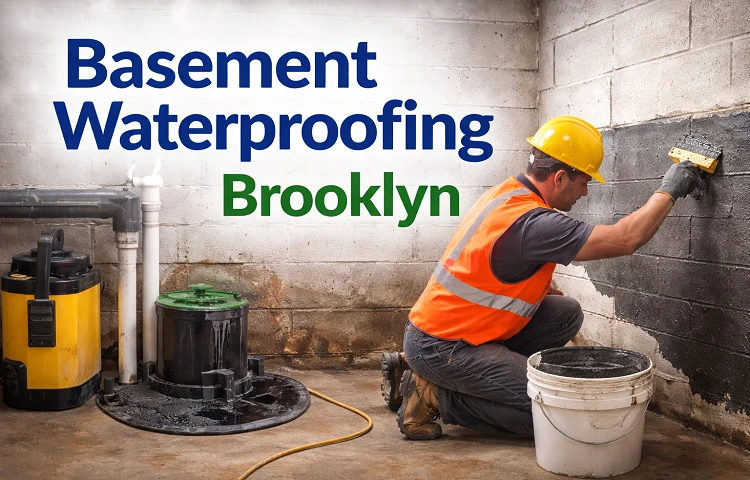
Basement Waterproofing Brooklyn Protect Your Home with Expert Solutions
The Complete Guide to Basement Waterproofing in Brooklyn Protecting Your Home's FoundationBrooklyn's unique geography, aging housing stock, and coastal climate...
The Complete Guide to Basement Waterproofing in Brooklyn Protecting Your Home's Foundation
Brooklyn's unique geography, aging housing stock, and coastal climate create the perfect storm for basement water problems. If you're dealing with a damp, musty basement or worried about foundation damage, you're not alone—thousands of Brooklyn homeowners face similar challenges every year.
This comprehensive guide will walk you through everything you need to know about basement waterproofing in Brooklyn, from identifying early warning signs to choosing the right waterproofing solution for your home. Whether you're in Park Slope dealing with century-old brownstones or in newer developments in Williamsburg, understanding your options can save you thousands in future repairs while protecting your family's health and your property's value.
Understanding Basement Waterproofing: More Than Just Keeping Water Out
What Is Basement Waterproofing?
Basement waterproofing is a comprehensive system of techniques and materials designed to prevent water from entering your basement and causing structural damage, health hazards, or property loss. Unlike simple damp-proofing, which only slows moisture transmission, true waterproofing creates a complete barrier against water intrusion.
The process involves multiple components working together: drainage systems, vapor barriers, sealants, pumps, and sometimes structural modifications. Professional waterproofing addresses both the symptoms you can see (like puddles or mold) and the underlying causes you might not notice until it's too late.
The Critical Difference: Waterproofing vs. Damp-Proofing
Many Brooklyn homeowners make the costly mistake of assuming damp-proofing is sufficient. Here's the key distinction:
Damp-proofing is a basic moisture barrier that slows water vapor transmission but cannot withstand hydrostatic pressure—the force of water pushing against your foundation walls. Most new construction includes only basic damp-proofing, which deteriorates over time.
Waterproofing creates an impermeable barrier that can withstand significant water pressure and provides long-term protection against both water vapor and liquid water intrusion.
Given Brooklyn's high water table and frequent storm activity, proper waterproofing is essential for long-term basement protection.
Why Basement Waterproofing Matters in Brooklyn
Brooklyn's Unique Water Challenges
Brooklyn's geography and climate create specific challenges that make basement waterproofing more critical here than in many other areas:
Aging Housing Stock: Much of Brooklyn's housing was built before modern waterproofing standards. Brownstones from the 1800s and early 1900s often have foundations made of fieldstone or early concrete that's more porous than modern materials.
High Water Table: Many Brooklyn neighborhoods, particularly those closer to the waterfront, have naturally high water tables. Areas like Red Hook, DUMBO, and parts of Bay Ridge are especially susceptible to groundwater infiltration.
Coastal Climate Impact: Brooklyn's proximity to the Atlantic Ocean means higher humidity levels and increased storm surge risks. Hurricane Sandy demonstrated how quickly basement flooding can occur, even in areas not typically considered flood-prone.
Clay-Rich Soil: Much of Brooklyn sits on clay soil that expands when wet and contracts when dry. This constant movement puts additional pressure on foundation walls, creating cracks that allow water entry.
The Foundation Connection
Your basement waterproofing system is intrinsically linked to your home's structural integrity. Water infiltration doesn't just create immediate problems like flooding—it can cause:
Foundation wall cracking and bowing
Floor slab settlement and cracking
Structural support beam deterioration
Basement wall efflorescence and spalling
Long-term structural instability
Professional waterproofing protects both your immediate comfort and your home's long-term structural soundness.
Recognizing the Warning Signs: When Your Basement Needs Waterproofing
Obvious Water Intrusion Signs
Standing Water or Puddles: The most obvious sign is visible water accumulation, especially after rain or snow melt. Even small amounts indicate a breach in your waterproofing system.
Wall Seepage: Look for water stains, damp spots, or actual water trickling down basement walls. These often appear first along the wall-floor joint where hydrostatic pressure is highest.
Active Leaks: Water actively dripping or flowing into your basement requires immediate attention and professional assessment.
Subtle but Serious Indicators
Efflorescence: Those white, chalky deposits on your basement walls aren't just cosmetic issues. Efflorescence indicates water is moving through your foundation walls, carrying minerals to the surface.
Paint Problems: Peeling, bubbling, or discolored paint on basement walls often indicates moisture problems behind the surface. Water-based paint is especially susceptible to moisture damage.
Musty Odors: That distinctive basement smell isn't normal—it indicates mold and mildew growth, which requires moisture to thrive.
High Humidity: If your basement feels muggy or humid even when it's dry outside, you likely have moisture infiltration issues. Humidity levels above 50% create ideal conditions for mold growth.
Structural Warning Signs
Foundation Cracks: Any crack in your foundation walls or floor can allow water entry. Horizontal cracks are especially concerning as they may indicate structural stress.
Bowing or Leaning Walls: Walls that appear to bow inward or lean may be under hydrostatic pressure from groundwater outside.
Rusty Fixtures: Metal fixtures, pipes, or appliances showing rust in your basement indicate high moisture levels.
Understanding the Root Causes of Basement Water Problems in Brooklyn
Groundwater and Hydrostatic Pressure
How Groundwater Affects Your Home: Brooklyn's water table fluctuates with rainfall, seasons, and local development. When the water table rises above your basement floor level, hydrostatic pressure builds against your foundation walls and floor slab.
This pressure can exceed 60 pounds per square foot—enough to force water through hairline cracks or poorly sealed joints. The pressure is constant and relentless, which is why simple sealants often fail over time.
Seasonal Variations: Spring snowmelt and heavy summer storms cause temporary but significant increases in groundwater levels. Many Brooklyn homeowners first notice problems during these peak water periods.
Surface Water and Drainage Issues
Poor Grading: Many Brooklyn properties have inadequate grading that allows rainwater to pool against foundation walls. This is especially common in older neighborhoods where original grading has been altered by sidewalks, driveways, and landscaping.
Gutters and Downspouts: Clogged, damaged, or improperly positioned gutters can dump thousands of gallons of water directly against your foundation during storms.
Hardscaping Problems: Concrete driveways, patios, and walkways that slope toward your house direct surface water toward your foundation instead of away from it.
Internal Water Sources
Plumbing Leaks: Hidden leaks in basement plumbing can create chronic moisture problems that mimic groundwater infiltration. These internal sources often go undetected for months or years.
HVAC Condensation: Air conditioning systems, boilers, and water heaters can produce significant condensation in basements, especially during humid summer months.
Appliance Issues: Washing machines, water heaters, and utility sinks can develop leaks that create ongoing moisture problems.
Brooklyn-Specific Risk Factors
Storm Surge Risk: Neighborhoods near the water face additional challenges from storm surge during hurricanes and nor'easters. Areas like Coney Island, Red Hook, and the Rockaways are particularly vulnerable.
Urban Development Impact: New construction and infrastructure changes can alter local drainage patterns, affecting homes that never previously had water problems.
Infrastructure Age: Many of Brooklyn's storm drains and sewer systems date back decades and can become overwhelmed during heavy rainfall, causing backups into basements.
Comprehensive Basement Waterproofing Solutions
Interior Waterproofing Methods
Interior waterproofing systems work by managing water that has already penetrated your foundation, channeling it away before it can cause damage.
Interior Drainage Systems
French drain systems installed along the basement perimeter are the gold standard for interior waterproofing. These systems include:
Perforated drainage pipe installed at the footing level
Clean stone aggregate surrounding the pipe
Vapor barrier along foundation walls
Integration with sump pump systems
The system collects water at the most vulnerable point—the wall-floor joint—and directs it to a sump pump for removal.
Sump Pump Installation
Modern sump pump systems are sophisticated water management tools:
Primary pumps handle normal water infiltration
Battery backup pumps provide protection during power outages
High-capacity pumps for homes with significant water issues
Smart monitoring systems that alert you to pump failures
Proper sump pump sizing is critical. A pump that's too small will be overwhelmed during heavy rains, while an oversized pump will cycle frequently and wear out prematurely.
Vapor Barriers and Sealants
Interior wall treatments create additional moisture barriers:
Vapor barriers prevent moisture transmission through foundation walls
Crystalline sealants penetrate concrete to create internal waterproofing
Epoxy crack injection seals foundation wall cracks from the interior
Pros and Cons of Interior Systems
Advantages:
Less expensive than exterior waterproofing
Can be installed year-round
Minimal landscape disruption
Effective for most water infiltration problems
Limitations:
Doesn't address root causes of water infiltration
Requires ongoing maintenance (sump pump servicing)
May not be sufficient for severe hydrostatic pressure
Doesn't protect foundation walls from water damage
Exterior Waterproofing Methods
Exterior waterproofing addresses water problems at their source, preventing water from reaching your foundation walls.
Excavation and Foundation Sealing
Exterior waterproofing requires excavating around your foundation to access the exterior walls:
Complete excavation to the footing level
Cleaning and preparing foundation walls
Crack repair and surface preparation
Application of waterproofing membranes
Waterproof Membranes and Coatings
Modern exterior waterproofing materials include:
Rubberized asphalt membranes: Flexible, self-healing materials that conform to foundation irregularities
Modified bitumen systems: Multi-layer systems with excellent adhesion and durability
Liquid-applied membranes: Seamless coatings that cure to form rubber-like barriers
Exterior Drainage Systems
Proper drainage is essential for exterior waterproofing effectiveness:
Footing drains: Perforated pipes at the foundation base
Drainage boards: Dimpled plastic sheets that create airspace and drainage paths
Gravel backfill: Clean stone that facilitates drainage and prevents soil pressure
Longevity and Durability
Quality exterior waterproofing systems can last 10-15 years or more when properly installed and maintained. The investment is significant but provides the most comprehensive protection available.
Foundation Waterproofing in Brooklyn
Foundation waterproofing goes beyond preventing water infiltration—it includes structural protection and reinforcement when necessary.
Structural Assessment
Professional foundation waterproofing begins with thorough structural evaluation:
Foundation wall integrity assessment
Crack analysis and repair planning
Soil condition evaluation
Hydrostatic pressure measurement
Crack Repair and Reinforcement
Foundation cracks require appropriate repair methods based on their size, location, and cause:
Hairline cracks: Epoxy or polyurethane injection
Larger structural cracks: Carbon fiber reinforcement or steel bracing
Active cracks: Flexible sealants that accommodate movement
Integration with Waterproofing
The most effective approach combines structural repairs with comprehensive waterproofing systems, addressing both water infiltration and structural integrity simultaneously.
The Professional Basement Waterproofing Process
Initial Inspection and Assessment
Professional waterproofing begins with comprehensive evaluation of your specific situation:
Moisture Source Identification: Determining whether water is entering through foundation walls, floor slabs, or above-grade sources like windows or stairs.
Structural Assessment: Evaluating foundation wall integrity, crack patterns, and any signs of structural stress or movement.
Soil and Drainage Analysis: Understanding your property's drainage characteristics, soil type, and groundwater conditions.
System Design: Creating a customized waterproofing plan based on your home's specific needs, local conditions, and budget considerations.
Preparation and Site Work
Proper preparation is essential for waterproofing system effectiveness:
Interior Preparation: Moving stored items, creating access routes, and protecting finished spaces from construction dust and debris.
Exterior Excavation: When required, careful excavation around foundation walls using appropriate equipment and safety measures.
Utility Location: Identifying and protecting underground utilities like gas, electric, and water lines.
Staging Areas: Establishing material storage and equipment areas that minimize disruption to your daily routine.
System Installation
Professional installation follows strict protocols to ensure system effectiveness:
Drainage Installation: Precise placement of interior or exterior drainage systems with proper grading and connection to discharge points.
Waterproofing Application: Expert application of membranes, sealants, or coatings according to manufacturer specifications and industry standards.
Sump Pump Installation: Proper pump sizing, pit construction, and discharge line installation with appropriate check valves and backup systems.
Integration Testing: Ensuring all system components work together effectively before project completion.
Quality Assurance and Testing
Professional contractors perform thorough testing to verify system effectiveness:
Water Testing: Controlled water introduction to verify proper drainage and pump operation.
System Integration: Testing backup systems, alarms, and monitoring equipment.
Performance Verification: Ensuring the system meets design specifications and performance expectations.
Documentation: Providing system diagrams, warranty information, and maintenance schedules.
Post-Installation Maintenance
Professional waterproofing includes ongoing maintenance planning:
Regular Inspections: Scheduled system checks to identify potential issues before they become problems.
Sump Pump Maintenance: Annual pump testing, cleaning, and component replacement as needed.
Drainage System Care: Periodic cleaning of drains and inspection of discharge lines.
Warranty Support: Professional monitoring and support throughout the warranty period.
Benefits of Professional Basement Waterproofing
Structural Protection and Foundation Preservation
Preventing Foundation Damage: Professional waterproofing prevents the freeze-thaw cycles that can cause foundation cracking and deterioration. In Brooklyn's climate, this protection is especially valuable during winter months.
Maintaining Structural Integrity: By controlling hydrostatic pressure and preventing water infiltration, proper waterproofing maintains your foundation's load-bearing capacity and structural soundness.
Avoiding Costly Repairs: Foundation repairs can cost tens of thousands of dollars. Proper waterproofing is preventive maintenance that avoids these major expenses.
Health and Indoor Air Quality Benefits
Mold and Mildew Prevention: Professional waterproofing creates dry conditions that prevent mold growth, protecting your family from respiratory problems and allergic reactions.
Improved Indoor Air Quality: Basement moisture affects air quality throughout your home. Proper waterproofing improves overall indoor environmental quality.
Allergen Reduction: Dry basements don't support dust mites, mold spores, and other allergens that thrive in humid conditions.
Property Value Enhancement
Market Appeal: Dry, functional basements are valuable selling points. Homes with waterproofing systems often sell faster and for higher prices than those with moisture problems.
Insurance Benefits: Some insurance companies offer reduced premiums for homes with professional waterproofing systems, recognizing the reduced risk of water damage claims.
Finished Space Potential: Waterproofed basements can be safely finished for additional living space, substantially increasing your home's usable square footage and value.
Energy Efficiency Improvements
Reduced Humidity: Proper waterproofing reduces basement humidity, making your home's HVAC system more efficient and reducing energy costs.
Insulation Protection: Dry conditions preserve insulation effectiveness, improving overall home energy performance.
Equipment Longevity: Dry basements protect HVAC equipment, water heaters, and other mechanical systems from moisture-related damage and inefficiency.
Peace of Mind and Quality of Life
Storm Confidence: Professional waterproofing provides confidence during heavy storms, knowing your basement and belongings are protected.
Storage Security: Dry basements provide secure storage for important documents, seasonal items, and valuables.
Living Space Potential: Waterproofed basements can become comfortable living spaces, home offices, or recreational areas.
Investment Considerations: Costs and Value of Basement Waterproofing in Brooklyn
Average Cost Ranges in Brooklyn
Basement waterproofing costs in Brooklyn vary significantly based on the scope of work and specific solutions required:
Interior Waterproofing Systems: $3,000 to $8,000 for typical Brooklyn basements, including French drains, sump pumps, and vapor barriers.
Exterior Waterproofing: $10,000 to $25,000 or more, depending on foundation depth, soil conditions, and access challenges common in Brooklyn's dense neighborhoods.
Foundation Crack Repair: $300 to $1,500 per crack for professional injection repair, depending on crack size and accessibility.
Comprehensive Systems: $8,000 to $30,000 for homes requiring both interior and exterior waterproofing with structural repairs.
Factors Influencing Costs in Brooklyn
Property Size and Configuration: Larger basements require more materials and labor. Complex layouts with multiple rooms or levels increase installation complexity.
Foundation Depth: Brooklyn's older homes often have deeper foundations that require more extensive excavation for exterior waterproofing.
Access Challenges: Dense urban neighborhoods can limit equipment access, requiring specialized tools and techniques that increase costs.
Soil Conditions: Clay-rich soils common in Brooklyn require special handling and may necessitate additional drainage measures.
Permit Requirements: NYC permit requirements can add costs and timeline considerations to exterior waterproofing projects.
Existing Damage: Homes with existing foundation damage or previous waterproofing failures may require additional structural work.
Long-Term Value and Cost Avoidance
Avoided Repair Costs: Foundation repairs can cost $20,000 to $50,000 or more. Professional waterproofing prevents these major expenses.
Property Value Protection: Homes with water problems can lose 10-15% of their value. Proper waterproofing maintains and enhances property values.
Insurance Claim Avoidance: Water damage claims can result in coverage cancellation or dramatically increased premiums. Prevention is far more cost-effective than remediation.
Energy Savings: Improved basement conditions can reduce heating and cooling costs by 10-15% annually.
Financing and Investment Recovery
Many homeowners find waterproofing pays for itself through:
Avoided emergency repairs
Reduced insurance premiums
Increased property values
Lower energy costs
Improved indoor air quality and health benefits
Why Choose GreenPoint Construction NY for Basement Waterproofing in Brooklyn
Deep Brooklyn Expertise
Local Knowledge: Our team understands Brooklyn's unique challenges, from Prospect Heights' brownstone foundations to Coney Island's flood risks. We've worked in every neighborhood and know the specific issues each area faces.
Building Type Specialization: Brooklyn's diverse housing stock requires specialized knowledge. We have extensive experience with:
Pre-war brownstones and row houses
Post-war garden apartments and co-ops
Modern condominiums and townhouses
Historic homes requiring sensitive treatment
Regulatory Experience: We navigate Brooklyn's complex permit requirements efficiently, ensuring compliance with NYC building codes and landmark preservation standards where applicable.
Licensed and Experienced Team
Professional Credentials: All our technicians are licensed, bonded, and insured. We maintain current certifications in basement waterproofing techniques and safety protocols.
Proven Track Record: With over a decade of experience in Brooklyn waterproofing, we've successfully completed hundreds of projects from simple crack repairs to complex foundation restorations.
Ongoing Training: Our team receives regular training on the latest waterproofing technologies and techniques, ensuring we provide the most effective solutions available.
Customized Solutions for Every Home
Individual Assessment: We don't believe in one-size-fits-all solutions. Every project begins with thorough evaluation of your specific situation, including:
Detailed moisture source analysis
Structural condition assessment
Soil and drainage evaluation
Budget and timeline considerations
Tailored System Design: Based on our assessment, we design waterproofing systems specifically for your home's needs, incorporating the most appropriate combination of techniques and materials.
Phased Implementation: For homeowners with budget constraints, we can design systems for phased implementation, addressing the most critical issues first while planning for future enhancements.
Commitment to Quality and Innovation
Premium Materials: We use only the highest quality materials from trusted manufacturers, including advanced membrane systems, high-efficiency pumps, and long-lasting sealants.
Advanced Technology: Our solutions incorporate the latest innovations in basement waterproofing, including smart monitoring systems, backup power solutions, and eco-friendly materials.
Comprehensive Warranties: We stand behind our work with comprehensive warranties that cover both materials and workmanship, providing long-term peace of mind.
Client Success Stories
Brownstone Restoration in Park Slope: We transformed a century-old brownstone's chronically flooded basement into a dry, usable space with a combination of exterior waterproofing and interior drainage systems.
Flood Protection in Red Hook: Following Hurricane Sandy, we installed comprehensive flood protection systems that have successfully protected homes through subsequent storm events.
Historic Home Preservation in Brooklyn Heights: We provided sensitive waterproofing solutions for a landmark property, preserving historic character while solving persistent moisture problems.
Debunking Common Basement Waterproofing Myths
"Waterproof Paint is Sufficient Protection"
The Reality: Waterproof paints and sealants are temporary cosmetic solutions that cannot withstand hydrostatic pressure. They may hide symptoms temporarily but don't address underlying water infiltration causes.
Professional Approach: Effective waterproofing requires comprehensive systems that manage water at its source, not just surface treatments that mask symptoms.
"Only Old Homes Need Waterproofing"
The Truth: While older homes face unique challenges, newer construction can also develop water problems due to:
Settlement and foundation movement
Inadequate initial waterproofing
Changes in drainage patterns
Extreme weather events exceeding design capacity
Brooklyn Reality: Even newly constructed homes in Brooklyn can benefit from enhanced waterproofing given the area's challenging soil and climate conditions.
"Waterproofing is Too Expensive to be Worth It"
Cost-Benefit Analysis: Professional waterproofing is preventive maintenance that costs far less than remediation:
Foundation repairs: $20,000-$50,000
Mold remediation: $3,000-$10,000
Flood damage restoration: $10,000-$30,000
Waterproofing investment: $3,000-$25,000
Long-Term Value: Waterproofing protects your largest investment—your home—while improving comfort, health, and property values.
"DIY Solutions Work Just as Well"
Professional Advantages: Effective waterproofing requires:
Accurate diagnosis of water infiltration sources
Knowledge of appropriate solutions for specific conditions
Access to professional-grade materials and equipment
Understanding of local building codes and permit requirements
Warranty protection and ongoing support
Risk of DIY Failure: Inadequate DIY solutions often make problems worse by masking symptoms while allowing underlying issues to worsen.
Current Trends and Innovations in Basement Waterproofing
Eco-Friendly Materials and Methods
Sustainable Waterproofing: New materials offer effective protection with reduced environmental impact:
Bio-based waterproofing membranes
Recycled content drainage materials
Low-VOC sealants and coatings
Energy-efficient pump systems
Green Building Integration: Modern waterproofing systems integrate with green building practices, supporting LEED certification and sustainable home design.
Smart Technology Integration
Intelligent Monitoring Systems: Advanced systems provide real-time monitoring of:
Water levels in sump pump systems
System performance and efficiency
Potential maintenance needs
Emergency alerts and notifications
Remote Access: Smartphone apps allow homeowners to monitor basement conditions and receive alerts even when away from home.
Predictive Maintenance: Smart systems can predict maintenance needs and schedule service before problems develop.
Advanced Drainage Technology
High-Capacity Systems: New drainage designs handle larger water volumes while requiring less space and disruption during installation.
Improved Materials: Advanced pipe materials resist clogging and provide longer service life with reduced maintenance requirements.
Integration Capabilities: Modern drainage systems integrate seamlessly with existing plumbing and can accommodate future modifications or enhancements.
Long-Lasting Membrane Technology
Enhanced Durability: New membrane materials offer 15-20 year service life with improved resistance to:
Root penetration
Chemical degradation
Physical damage
Temperature extremes
Self-Healing Properties: Advanced membranes can seal around minor penetrations, reducing the risk of failure from small punctures or tears.
Seasonal Considerations for Brooklyn Waterproofing
Spring: Peak Risk Season
Snowmelt Challenges: Spring snowmelt can rapidly raise groundwater levels, overwhelming inadequate waterproofing systems.
System Preparation: Pre-spring system checks ensure pumps and drains are ready for increased water loads.
Optimal Installation Time: Spring offers ideal conditions for exterior waterproofing projects before summer heat and humidity.
Summer: Storm Season Preparation
Heavy Rainfall: Summer thunderstorms can dump several inches of rain in hours, testing waterproofing system capacity.
Humidity Control: Proper waterproofing reduces basement humidity during muggy summer months.
Hurricane Preparation: Enhanced waterproofing provides crucial protection during hurricane season.
Fall: Prevention and Preparation
Pre-Winter Maintenance: Fall maintenance ensures systems are ready for winter freeze-thaw cycles.
Leaf Management: Clearing gutters and drains prevents ice dams and drainage problems.
System Testing: Fall testing identifies any issues before winter weather makes repairs more difficult.
Winter: Freeze-Thaw Protection
Temperature Cycling: Freeze-thaw cycles can worsen existing foundation cracks and create new water infiltration points.
Ice Dam Prevention: Proper basement waterproofing reduces moisture that can contribute to ice dam formation.
Emergency Preparedness: Winter storms can cause power outages that affect sump pump systems, making backup power crucial.
Frequently Asked Questions About Basement Waterproofing in Brooklyn
How long does basement waterproofing last?
Professional basement waterproofing systems typically last 10-15 years for interior systems and 15-25 years for exterior systems when properly maintained. The longevity depends on the quality of materials used, installation expertise, local soil conditions, and regular maintenance. Systems with premium materials and professional installation often exceed these timeframes.
Can I waterproof my basement during winter?
Interior waterproofing can be performed year-round since it doesn't require excavation. Exterior waterproofing is typically scheduled during warmer months when soil conditions are more favorable and excavation is practical. However, emergency repairs can be performed during winter when necessary to prevent further damage.
Will waterproofing affect my home's resale value?
Professional waterproofing typically increases home values by 5-10% and makes properties more attractive to buyers. A dry, functional basement is a significant selling point, while moisture problems can reduce property values and make homes difficult to sell. Many buyers specifically look for homes with waterproofing systems already in place.
How do I know if I need interior or exterior waterproofing?
The choice depends on several factors including the severity of water infiltration, your budget, and long-term goals. Interior systems are often sufficient for managing minor to moderate water infiltration and cost less than exterior systems. Exterior waterproofing provides the most comprehensive protection and is recommended for severe water problems or when protecting finished basement spaces.
What happens to my landscaping during exterior waterproofing?
Exterior waterproofing requires excavation around your foundation, which temporarily disturbs landscaping. Professional contractors minimize damage by carefully removing and replacing plants when possible. Most landscaping can be restored after completion, though some mature plantings close to the foundation may be permanently affected.
How quickly can water problems return after waterproofing?
Properly installed waterproofing systems provide immediate protection that should last for many years. If water problems return quickly, it usually indicates either inadequate initial assessment, improper installation, or unusual conditions not addressed in the original design. This is why choosing experienced professionals with comprehensive warranties is crucial.
Do I need permits for basement waterproofing in Brooklyn?
Interior waterproofing typically doesn't require permits, though electrical work for pump installation might. Exterior waterproofing often requires permits, especially if excavation extends beyond property lines or affects city sidewalks. Professional contractors handle permit applications and ensure compliance with local building codes.
Can waterproofing help with basement humidity even without visible water?
Yes, comprehensive waterproofing systems control both visible water infiltration and water vapor transmission through foundation walls. This significantly reduces basement humidity levels, preventing mold growth and improving overall indoor air quality throughout your home.
What maintenance does a waterproofing system require?
Interior systems require periodic sump pump testing, drainage cleaning, and battery backup maintenance. Exterior systems need occasional inspection for membrane damage and drainage system clearing. Most maintenance is minimal and can be performed by homeowners, though annual professional inspections are recommended.
How do I choose between different waterproofing contractors?
Look for contractors with specific Brooklyn experience, proper licensing and insurance, comprehensive warranties, and references from recent local projects. Avoid contractors who provide quotes without thorough inspection or who pressure you to sign contracts immediately. Quality contractors provide detailed written proposals and explain their recommended solutions clearly.
Conclusion: Protecting Your Brooklyn Home's Foundation and Future
Basement waterproofing in Brooklyn isn't just about keeping water out—it's about protecting your family's health, preserving your property's value, and ensuring your home's structural integrity for years to come. Brooklyn's unique combination of aging infrastructure, challenging soil conditions, and coastal climate makes professional waterproofing not just beneficial, but essential for long-term homeownership success.
The investment in quality waterproofing pays dividends through avoided costly repairs, improved indoor air quality, enhanced property values, and the peace of mind that comes from knowing your home is protected against water damage. Whether you're dealing with minor moisture issues or significant water infiltration, the right waterproofing solution exists for your specific situation and budget.
At GreenPoint Construction NY, we understand that every Brooklyn home is unique, with its own set of challenges and opportunities. Our comprehensive approach combines deep local knowledge with cutting-edge waterproofing technology to deliver solutions that provide lasting protection and value. From initial assessment through system installation and ongoing maintenance support, we're committed to ensuring your basement stays dry, healthy, and functional.
Don't wait for minor moisture problems to become major structural issues. Contact GreenPoint Construction NY today for a comprehensive basement waterproofing consultation. Let our Brooklyn expertise and proven solutions protect your home's foundation and your family's future. Your basement—and your peace of mind—will thank you.